

Key takeaways
- Budget: Fitout costs for a cosmetic or aesthetic clinic in Australia generally range from $2,500 to 4,500 per m², meaning a 100 m² clinic typically costs $250,000–450,000 excluding high-end equipment.
- Equipment costs: Major devices such as lasers, IPL, or skin-treatment machines usually cost between $30,000 and 150,000 each.
- Compliance: Any device that offers therapeutic or cosmetic treatment (lasers, RF, HIFU, etc.) must be approved by the Therapeutic Goods Administration (TGA).
- Total investment: Small-to-mid clinics can expect to spend $200,000–400,000, while larger premium clinics may exceed $400,000–800,000 depending on scope and finish.
- Timeline: Standard fitouts generally take 8–14 weeks, but allow 16–20 weeks for complex joinery, council approvals, or custom builds.
Introduction
If you’re considering opening or upgrading a cosmetic or aesthetic clinic in Australia, whether for injectables, laser treatments, skin rejuvenation or body-contouring, the physical fitout of your space can make or break your business. A well-designed, compliant, and welcoming environment not only supports efficient workflows but also creates the premium feel clients expect from a cosmetic clinic. This guide walks you through everything you need to plan: types of machines, price ranges, operations, maintenance, financing, warranties, regulatory compliance, and common buyer questions you should ask before signing on the dotted line.
Types of cosmetic-clinic fitouts and what influences cost
Fitout quality & scope
The final cost of your clinic setup depends heavily on how “finished” you want your space to be, and what services you’ll offer.
- Basic / standard-finish aesthetic clinic: ~ $ 2,500–3,500/m²
- Premium / boutique aesthetic clinic (custom joinery, décor, high-end finish, brand ambience): ~ $ 3,500–5,000/m²
For a 100 m² space, that translates roughly to $ 250,000–500,000, before you even buy major equipment.
What drives these costs
- Finishes and joinery – reception desks, cabinetry, retail displays, feature walls, lighting.
- Clinical-grade materials – waterproof, wipeable surfaces, easy-clean floors/walls, appropriate plumbing and drainage.
- Electrical, data, HVAC services – many cosmetic devices, lasers and clinical zones require upgraded wiring, ventilation, possibly separate circuits, data/IT infrastructure.
- Compliance-related works – accessibility (DDA), infection-control zones, plumbing for sterilisation or sinks, proper waste disposal, waste-water plumbing, possibly fire-safety or smoke detection, depending on location.
- Design, professional services and approvals – architects/interior designers, healthcare-specialist builders, council/DA/permit fees, and sometimes contingency allowances (builders often recommend 10–15% extra for hidden costs).
Equipment, machines and supply costs
What you spend on machines depends on the services you’ll offer. For a typical cosmetic clinic, you might include lasers, skin rejuvenation devices, IPL, RF tightening, injectables storage, sterilisation equipment and furniture. Below is a breakdown of common investments.
Typical devices & price ranges
Device / equipment | Typical $ cost range |
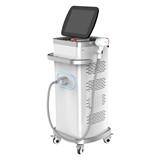
| Laser hair-removal / skin-rejuvenation lasers | $ 30,000 – 150,000 |
| IPL systems | $ 20,000 – 75,000+ |
| Radiofrequency (RF) skin-tightening / body-contouring devices | $ 30,000 – 90,000 |
| Fractional / CO2 lasers or advanced resurfacing systems | $ 60,000 – 180,000 |
| Dermal / skin-analysis or LED therapy devices | $ 8,000 – 30,000 |
| Injectables fridge / storage / dermal tools / supporting furniture | $ 1,500 – 5,000+ |
| Treatment chairs/beds | $ 5,000 – 15,000 each |
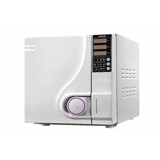
| Sterilisation units / autoclaves or infection-control setup | $ 5,000 – 20,000+ |
* These are indicative ranges, final price depends on brand, new vs used, included services/warranties, and functionality (e.g., multi-modality vs single-purpose devices).
Other setup costs
- Reception, consult rooms and retail display furniture/fixtures, these can add tens of thousands depending on design and materials.
- IT, software and operational systems, practice management software, booking & payment systems, Wi-Fi, data backup, typically a few thousand upfront, plus ongoing licence or subscription costs.
- Consumables and stock (if you offer injectables, fillers, PPE, disposables, sterilisation packs, clinical cleaning supplies, etc.), you need ongoing budgeting for these; consumable costs per treatment may vary widely depending on service type and materials used.
Operations, maintenance and parts
Putting in the capital for devices is only one part, running and maintaining them is ongoing, and neglecting this can cause safety, compliance and downtime issues.
Maintenance costs
- Many equipment manufacturers or suppliers recommend annual service and maintenance plans; typical maintenance contracts may cost 8–10% of the device value annually after warranty expiry.
- For complex devices (lasers, RF, IPL), ensure you have access to qualified service technicians, preventive maintenance is critical for safety, consistent performance, and longevity.
- For reusable instruments (needles, handpieces), you must adhere to sterilisation and disposal practices. State health-regulation guidance requires items that penetrate the skin to be sterile and disposed into sharps containers immediately; reusable items must be properly sterilised using a steam-under-pressure autoclave.
Consumables & stock
- Adequate stock of disposables: sterile gloves, dressings, sharps containers, single-use tips or handpieces, disinfectants, towels/linen, post-treatment care products, these represent a consistent ongoing cost and must be carefully managed to avoid supply shortages.
- Clinics often allocate a portion of budget to stock-holding: for injectables or regular consumables, this ensures treatments aren’t delayed due to stockouts and helps manage cash flow.
Operational overheads
- Utilities (power for device operation, HVAC for client comfort and device ventilation, water/plumbing for cleaning/sterilisation), heavy equipment use increases consumption significantly.
- Staff training and ongoing professional indemnity / public liability insurance, essential if you’re offering treatments beyond basic beauty therapy.
- Software, booking systems, consumable inventory tracking and disposal (especially for sharps and regulated waste), operational set-up and management overheads.
Financing and warranty arrangements
Because upfront cost for fitout and equipment can be substantial, many clinic owners utilise financing or leasing options.
Financing options
- Equipment finance (e.g., low-doc or full-doc loans), widely used for laser, IPL, RF, body-contouring devices and other high-cost equipment.
- Commercial fitout loans or tenant improvement funding, some lenders may cover joinery, renovations, cabinetry and plumbing/electrical works under fitout finance.
- Spread payments via lease agreements or staged fitout plans, particularly useful if you start small and expand.
- Tax considerations, depending on your structure, some fixtures, fittings or depreciable assets may be eligible for tax deductions or write-offs.
Warranty and service considerations
- Always confirm the warranty period for major devices (e.g., lasers, RF, IPL); see what’s included, parts, labour, response times.
- Ask about recommended maintenance schedules and associated costs, cheaper to budget maintenance than to risk downtime or safety issues.
- For consumables and accessories (handpieces, single-use tips, fridge storage, filters, etc.), check availability from suppliers and lead times, a disrupted supply can halt treatments.
- Ensure you retain documentation (servicing history, sterilisation logs, disposal logs) as this may be required for compliance or insurance $it.
Compliance, certification and regulatory considerations in Australia
Compliance is non-negotiable. Running a cosmetic clinic involves more than good design and expensive machines, you must meet stringent health, safety and medical-device regulations.
- If your devices claim to offer therapeutic benefits (e.g., fat reduction, skin tightening, laser hair removal, IPL, RF, HIFU, phototherapy), they fall under regulation by the Therapeutic Goods Administration (TGA). Using non-approved devices can lead to legal penalties, denial of insurance claims, and risk to clients.
- Sterilisation and hygiene: For any treatments involving skin penetration (e.g., microneedling, injectables), you must comply with hygienic practices. Reusable instruments need a steam-under-pressure autoclave; sharp instruments must be single-use and disposed immediately in approved sharps containers.
- Building code, accessibility and clinic zoning: Depending on the state and the planned services, you may need to comply with building code requirements (fire safety, plumbing, ventilation), accessibility standards (Disability Discrimination Act / DDA), and local council zoning or development-approval requirements.
- Waste disposal and infection-control: Clinical waste (sharps, contaminated materials), proper storage, sterilisation, disposal, all must follow state health guidelines. This must be factored into your design (e.g., separate sterilisation zones, wash stations, storage for contaminated waste, access to approved disposal services).
- Documentation and record-keeping: Sterilisation logs, equipment servicing records, consumable stock-control, patient consent and treatment records, ensure you have a reliable system (paper or digital) and comply with privacy laws and health regulations.
Engaging a healthcare-certified architect or builder with experience in cosmetic or medical fitouts reduces compliance risk, avoids rework, and ensures the build passes inspections.
Frequently asked questions (FAQs)
Q: Can i start small (just injectables or basic skin therapies) and expand later with lasers or advanced devices?
Yes, many new cosmetic clinics begin with minimal services. However, design your fitout with future scalability in mind: leave space for additional rooms, ensure electrical/data capacity is sufficient, and allow easy installation of plumbing or ventilation if needed.
Q: Are used or imported (overseas) machines a viable way to save cost?
It’s risky. If a device isn’t TGA-approved, you risk regulatory non-compliance, insurance denial, and potential legal liability. Even if imported machines are cheaper, make sure they meet Australian safety and medical-device standards.
Q: How much should i budget for ongoing consumables, maintenance, and operations?
Consumables and disposables (gloves, dressings, sharps containers, sterile packs, treatment gels, PPE, linen) are recurring, you’ll need a regular budget. Maintenance may cost 8–10% of device value annually once warranty ends. Also budget for utilities, staff training, waste disposal, insurance, cleaning, and sterilisation.
Q: How long does a fitout take from start to finish?
For a standard cosmetic clinic fitout, expect 8–14 weeks. If custom joinery, bespoke finishes, complex medical build-outs, or council/permit delays are involved, schedule for 16–20 weeks.
Q: What financing options are available?
Equipment finance for devices; commercial fitout finance for joinery/renovations; or stage the fitout over phases to manage cash flow. Some fixtures or fittings may be depreciable and eligible for write-off.
Q: What happens if I don’t comply with TGA or sterilisation/health standards?
Consequences may include fines, forced closure, invalidated insurance claims, reputational damage, and risks to client safety. Non-compliant devices could result in legal penalties.
Practical roadmap: How to plan your cosmetic-clinic fitout
- Define your service offering and scope, decide early whether you’ll start with injectables, basic skin treatments, or full aesthetic services with lasers, body-contouring, etc.
- Secure your location and check zoning/commercial lease conditions, ensure appropriate zoning, space, and utilities.
- Engage a designer/architect experienced in medical or aesthetic fitouts, ensures compliance and efficient layout.
- Plan your layout with zoning in mind, separate reception/waiting, consult rooms, treatment rooms, sterilisation, storage, staff zones, possibly retail display.
- Budget fitout vs equipment vs consumables vs compliance costs, include contingency (10–15%), professional fees, maintenance & running costs.
- Source compliant devices (TGA-approved), avoid non-compliant or grey-market imports. Request documentation, compliance certificates, maintenance plans, and service support.
- Plan for ongoing maintenance, consumables and operational overhead, budget for consumables stock, maintenance contracts, utilities, waste disposal, insurance, staffing, and cleaning/sterilisation.
- Investigate financing and tax depreciation, use equipment finance or fitout loans, and consult an accountant about depreciation or write-off options.
- Establish robust compliance and record-keeping processes, sterilisation logs, patient consent, waste disposal records, maintenance logs, staff training, insurance documentation.
- Launch, but monitor performance and plan for incremental upgrades, design for scalability (extra rooms, space for more devices, room for storage/consumables expansion).
Final thoughts
A cosmetic clinic fitout in Australia is a significant investment, but with good planning, realistic budgeting, and compliance awareness, it can set the foundation for a professional, profitable, and scalable aesthetic practice. Think beyond just machines: layout, ambience, flow, compliance, and patient experience matter equally. The numbers above give you a roadmap, from minimum fitout per m² to high-end device investment, allowing you to budget, choose wisely, and avoid costly surprises.