
Key takeaways
What they cost: Phosphor plate scanners on MedicalSearch typically range from around $10,000 to $30,000, averaging near $20,000, depending on channels, speed, and format range.
What sets the price: Single versus dual channel, scan speed and resolution, plate size range, and software and AI features are the main cost drivers.
Where they fit: Dental practices moving from film or upgrading their digital radiography, from single-room clinics to multi-chair and central-reader setups.
The compliance line: The scanner is a medical device that must be entered on the Australian Register of Therapeutic Goods, and imaging use carries state radiation obligations.
The decision: Match channels and speed to your patient throughput and layout, then weigh chairside convenience against a central reader before comparing price.
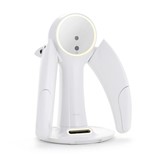
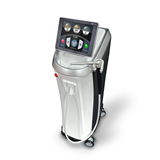
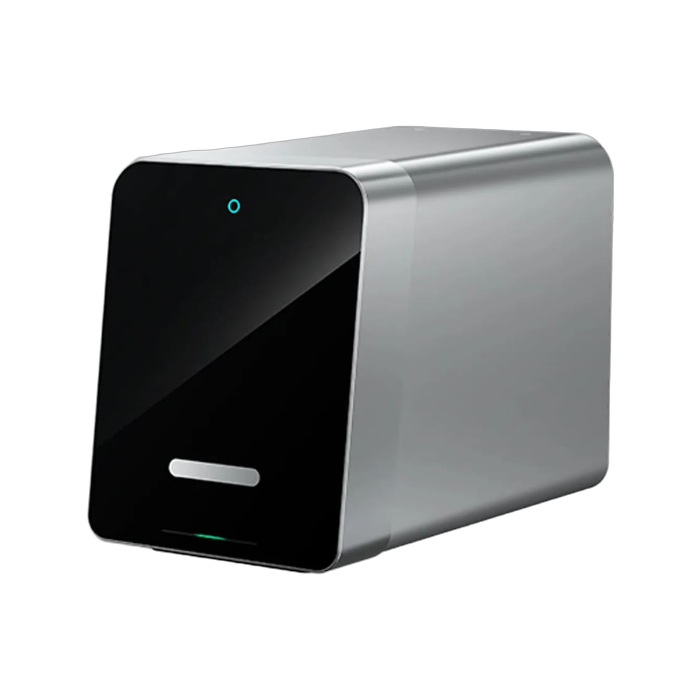
A phosphor plate scanner, or PSP scanner, digitises dental X-ray images captured on reusable photostimulable phosphor plates. It offers the flexible, film-like comfort of a thin plate the patient bites on, combined with the immediacy and lower dose of digital imaging, with no chemical film development. For practices switching from film or upgrading an ageing system, it is a central workflow decision. This guide covers what phosphor plate scanners cost in Australia in 2026, the specs that shape the price, and how to match one to your practice.
How a PSP scanner works, and PSP versus sensors
The workflow is simple: a flexible phosphor plate is placed in the patient's mouth and exposed like a piece of film, then dropped into the scanner, where a laser reads the stored latent image and converts it to a digital radiograph on screen in seconds. The plate is then erased with bright light and reused. A set of reusable plates in sizes 0 to 4 covers intraoral formats from small periapicals to bitewings.
The main alternative is a rigid digital sensor. Sensors give instant images and simple operation, but their harder form can be less comfortable and awkward to position for some patients and complex sites. PSP plates are thin and flexible, adapting to the mouth more like film and often more comfortable, at the cost of an extra scanning step. Many practices run both: sensors for speed at the chair, PSP for comfort and difficult angles.
What a phosphor plate scanner costs in 2026
Price tracks channels, speed, and features. As a working guide for the Australian market:
Entry single-channel scanners: Roughly $10,000 to $15,000. Compact chairside units for single-room and smaller practices scanning one plate at a time.
Mid-range dual-channel and central units: Around $15,000 to $22,000. Faster throughput, dual slots, and central-reader options for busier multi-chair practices.
Premium high-speed and AI-enabled: $22,000 to $30,000+. High resolution, fast capture, touchscreen interfaces, and AI features such as automatic image rotation and plate-quality alerts.
The national average sits near $20,000. Features shift the total: dual channels for simultaneous scanning, higher resolution, larger touchscreens, network connectivity, and AI-assisted workflow all add to the price tag. Reusable plates are a separate consumable that wear and need replacing over time. To compare configurations, compare phosphor plate scanner quotes from Australian suppliers against your throughput, and factor in reusable image plates as an ongoing cost.
Scanner class | Channels | Indicative price | Best fit |
|---|---|---|---|
Entry chairside | Single | $10,000 - $15,000 | Single-room, smaller practices |
Mid-range / central | Dual | $15,000 - $22,000 | Busy multi-chair practices |
Premium / AI-enabled | Dual / high-speed | $22,000 - $30,000+ | High-throughput, tech-forward clinics |
The specs that shape the price
When you request quotes, these are the factors that change the total:
Channels and throughput: Dual-slot scanners read two plates at once, cutting turnaround in busy practices. Single-channel suits lower volume at lower cost.
Scan speed and resolution: Faster capture and higher resolution improve throughput and diagnostic detail, and appear at the higher end.
Plate size range: Support for sizes 0 to 4 covers all intraoral formats, including bitewings. Confirm the sizes you use are supported.
Placement: A compact chairside unit suits per-room use; a central reader serves several chairs from one location. Match this to your layout and workflow.
Software and AI: Integration with your imaging software, automatic image rotation, and plate-quality alerts streamline workflow and reduce retakes.
Compliance and running costs
Two things sit alongside the purchase price. First, compliance. The scanner is a medical device, so it must be listed on the Australian Register of Therapeutic Goods, as the Therapeutic Goods Administration requires. Dental X-rays also carry state radiation licensing rules, so check these with your state regulator. Second, running costs. The reusable plates are a consumable: they scratch and wear over time and need replacing, so budget for an ongoing plate supply. Otherwise costs stay low, since there is no film chemistry and the radiation dose is lower than film.
A realistic scenario
Picture a three-chair dental practice in Perth still using film. Development eats time, and the practice wants better image quality and more comfort for patients.
A mid-range dual-channel scanner at around $18,000 works as a central reader for all three chairs. Plates are exposed at the chair and read in seconds, and images appear straight in the practice software. Dose drops compared with film, the dual slots keep turnaround fast at peak, and the flexible plates suit patients who disliked hard sensors. Film chemistry and processing time go away. It is a considered purchase, but it modernises the imaging and lifts both throughput and comfort.
Frequently asked questions
PSP scanner or digital sensor?
Sensors give instant images and simple use but can be less comfortable and harder to position. PSP plates are thin, flexible, and film-like, often more comfortable and better for complex angles, at the cost of a scanning step. Many practices use both.
Single or dual channel?
Single-channel suits lower-volume single-room practices. Dual-channel reads two plates at once and suits busy multi-chair practices where turnaround matters. Match channels to your patient throughput.
What are the ongoing costs?
Reusable phosphor plates are the main consumable; they scratch and degrade with use and need periodic replacement. Otherwise running costs are low, with no film chemistry, and lower radiation dose than film.
What compliance applies?
The scanner must be entered on the ARTG as a medical device, and dental radiography carries state radiation licensing and safety obligations. Confirm both the device's ARTG status and your state requirements before buying.
What matters most
A phosphor plate scanner is a workflow decision, so buy for throughput and layout. Match channels and speed to your patient volume, choose chairside or central placement for your practice, confirm the plate sizes you use and ARTG compliance, and budget for reusable plates as a consumable. Get the fit right and you gain film-like comfort with digital speed and lower dose. Get it wrong and you either bottleneck a busy practice on a single-channel unit or overspend on speed a small clinic never uses.
Ready to compare channels, speed, and pricing on phosphor plate scanners? Get quotes from PSP scanner suppliers across Australia here. For the wider practice picture, the dental fitout guide sets out how imaging fits the full equipment budget.