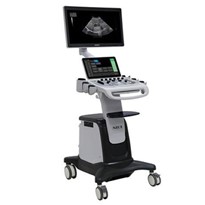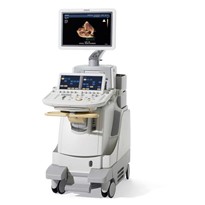


Veterinary ultrasound has become an indispensable diagnostic tool across companion animal clinics, equine practices, livestock operations, emergency care settings, and specialist veterinary hospitals.
The ability to obtain real-time diagnostic information without exposing animals to radiation makes ultrasound one of the most versatile imaging modalities available to veterinarians.
However, choosing the right veterinary ultrasound system involves more than simply selecting the most advanced technology. Practices must evaluate imaging requirements, patient demographics, workflow considerations, portability needs, and long-term operational requirements.
This guide explores the key factors veterinary professionals should consider when selecting an ultrasound platform.
Why Veterinary Ultrasound Is So Widely Used
Ultrasound supports numerous veterinary applications including:
- Pregnancy diagnosis
- Reproductive monitoring
- Abdominal imaging
- Cardiac assessments
- Emergency medicine
- Soft tissue examinations
- Musculoskeletal imaging
- Internal medicine investigations
Unlike radiography, ultrasound provides dynamic real-time imaging and can often be performed directly at the point of care.
Key Considerations When Purchasing a Veterinary Ultrasound System
1. Clinical Scope
The first consideration should be the types of examinations routinely performed.
Practices focused on cardiology or advanced internal medicine may require:
- Colour Doppler imaging
- Spectral Doppler functionality
- Advanced measurement tools
- Enhanced image optimisation
General practice clinics may prioritise versatility and ease of use instead.
2. Species Requirements
Different species present different imaging challenges.
Many veterinary ultrasound systems now include species-specific software packages designed for:
- Dogs
- Cats
- Horses
- Cattle
- Sheep
- Goats
- Pigs
- Camels
Dedicated veterinary presets can improve workflow consistency and examination efficiency.
3. Portability Requirements
Portable ultrasound systems are becoming increasingly popular.
Portable systems can offer significant advantages for:
- Farm visits
- Equine practice
- Mobile veterinary services
- Emergency response situations
Important portability considerations include:
- Weight
- Battery life
- Probe durability
- Waterproof construction
- Carrying accessories
4. Imaging Technology
Common imaging technologies include:
B-Mode Imaging
The foundation of most ultrasound examinations.
M-Mode
Commonly used for cardiac assessments.
Colour Doppler Imaging
Allows visualisation of blood flow and vascular structures.
Tissue Harmonic Imaging (THI)
Improves image quality by reducing artefacts and enhancing contrast resolution.
Spatial Compound Imaging
Combines multiple image frames to improve edge definition and tissue visualisation.
5. Workflow Features
Modern systems increasingly include:
- Patient management software
- Image archiving
- USB export capability
- Automated measurements
- Preset examination protocols
These features can reduce examination times and improve operational efficiency.
Comparing Three Common Veterinary Ultrasound Approaches
Advanced Diagnostic Platforms
Systems designed for veterinary hospitals and specialist practices typically offer:
- Colour Doppler imaging
- Triplex imaging
- Advanced workflow tools
- High-performance image processing
These systems support complex diagnostic examinations including cardiology and internal medicine.
Portable Multi-Purpose Systems
Portable veterinary ultrasound scanners provide:
- Species-specific software
- Multiple probe compatibility
- Long battery operation
- General diagnostic flexibility
These systems are commonly used in mixed-animal practices.
Handheld Field Ultrasound Systems
Field ultrasound systems focus on:
- Durability
- Portability
- Reproductive applications
- Livestock management
They are particularly useful in rural and remote environments.
Questions to Ask Before Purchasing
Before investing in an ultrasound system, consider:
- Which species do we treat most frequently?
- Do we require Colour Doppler imaging?
- Will the system be used in the field?
- What level of portability is required?
- What image storage capabilities are needed?
- What is the expected growth of our imaging services?
Conclusion
There is no single ultrasound platform that suits every veterinary practice.
The ideal solution depends on clinical objectives, patient demographics, workflow requirements, and operating environment.
By carefully assessing imaging needs and matching technology to clinical applications, veterinary professionals can select an ultrasound system that delivers long-term value, operational efficiency, and improved diagnostic confidence.