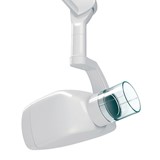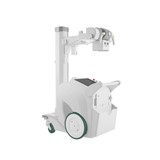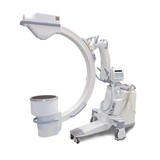


When planning a new digital radiography installation or upgrading an existing imaging suite, selecting the right X-ray equipment system involves carefully balancing clinical workflows with physical room limitations.
Patient Volume and Workflow Demands: Anticipated daily patient numbers directly dictate whether a single-detector or multi-detector setup is required. Incorporating multiple flat-panel detectors streamlines positioning and prevents bottlenecks during peak hours, keeping your patient flow moving smoothly.
Room Layout and Spatial Constraints: One of the most common hurdles in medical imaging installations is room dimensions. Space limitations can often force compromises, for example, traditional floor-mounted or floor-to-ceiling tube stands can restrict your working area, making it difficult to achieve the proper range of motion needed for specialised projections like weight-bearing knee views.
Ceiling-Suspended vs. Floor-Mounted Systems: While floor-mounted configurations have specific spatial demands, overhead ceiling-suspended X-ray tube systems can often be strategically offset within the room to maximise floor space and optimise maneuverability. However, integrating a ceiling-suspended system requires careful structural assessment, as most manufacturers require a minimum ceiling height of at least 2.5 meters to safely accommodate overhead tube crane.
Tailoring Procedures to Equipment: Your primary diagnostic focus, whether routine general radiography, orthopedics, or emergency trauma,should guide your hardware selection. Ensuring your x-ray tube, high-frequency generator capacity, and flat-panel detectors match your clinical scope, prevents unnecessary operational compromises while delivering long-term reliability.