.jpg)

Caring for animals—whether in a busy veterinary clinic or the comfort of a home—has always required attention, compassion, and reliable health data. Yet, for many veterinary doctors, nurses, and pet owners, consistently monitoring a pet’s vital signs can be challenging for stressed, recovering, or chronically ill animals.
Today, innovations in portable animal vital signs monitoring are changing what’s possible. With smarter, smaller, and more connected tools, real-time insights are no longer confined to the clinic. Pet lovers and professionals alike can now track important health indicators such as ECG, temperature, heart rate, blood pressure, and respiratory rate with ease—remotely and continuously. In this article, we’ll explore why this shift matters, how modern monitoring supports better outcomes, and what makes portable devices an increasingly valuable tool for animal health.
Why Continuous Vital Signs Monitoring Matters for Animal Health
Animals can’t communicate discomfort the way humans do. Subtle signs—changes in behavior, breathing, or energy levels—often go unnoticed until the condition has progressed. Continuous monitoring helps bridge this gap.
Consistent tracking of vital signs provides:
- Early detection of health issues, even before visible symptoms appear.
- More accurate diagnostics, thanks to real-time and trend-based data.
- Better decisions during treatment, including anesthesia, post-operative recovery, and chronic disease management.
- Reduced stress on animals, especially nervous or fragile pets that struggle with repeated clinic visits.
For veterinary doctors and nurses, this data can dramatically improve the precision of care. For pet owners, it supports peace of mind and enables proactive decision-making.
The Traditional Challenge: Bulky Equipment and Limited Mobility
Despite the importance of monitoring, traditional veterinary devices create significant limitations:
- Large, stationary machines that must remain plugged in at clinics.
- Manual supervision, requiring a doctor or nurse to be physically present.
- Limited accessibility for pet owners at home or in remote locations.
- Stressful environments for pets that dislike travel or unfamiliar settings.
This can be especially problematic in situations such as:
- Monitoring post-surgery vitals overnight
- Tracking chronic conditions like heart disease
- Assessing unstable or aging pets
- Observing wildlife or large farm animals outside clinical environments
These limitations often prevent continuous monitoring, resulting in data gaps that affect diagnosis and treatment planning.
The Rise of Portable, Real-Time Animal Vital Signs Monitoring
Advancements in veterinary technology have made compact, wearable devices a practical and reliable alternative to traditional systems. This new generation of portable pet health monitors allows veterinary professionals and pet owners to gather live data without restricting the animal’s movement or comfort.
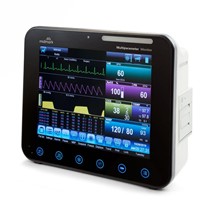
A device like the Pet Health Monitor, for example, offers real-time, continuous, and remote tracking of five key vital signs:
- ECG
- Blood pressure
- Respiratory rate
- Heart rate
- Temperature
Because the data streams directly to a smartphone or laptop, veterinarians can observe changes instantly—even when they’re not in the same room. Pet owners can receive real-time insights as well, helping them support recovery or long-term care with greater confidence.
How Portable Veterinary Monitoring Devices Improve Clinical Workflows
More Efficient Use of Staff Time
Veterinary teams often juggle multiple tasks at once. Portable monitoring reduces the need for constant bedside supervision, freeing nurses and doctors to focus on other patients or procedures.
Reduced Stress for Animals
Most animals are calmer in quiet, familiar environments. Being able to monitor them remotely helps reduce stress-induced spikes in heart rate, blood pressure, or respiratory patterns, which can distort clinical readings.
Better Data for Diagnosing Conditions
Continuous data helps identify:
- Irregular heart rhythms
- Abnormal temperature fluctuations
- Respiratory distress patterns
- Signs of pain, discomfort, or sedation issues
These insights enable more accurate treatment decisions and help veterinarians adjust medication or intervention plans quickly.
Improved Post-Operative Care
After surgery, complications can develop rapidly. Portable monitors ensure that subtle changes in vitals are detected early, reducing risks and improving recovery outcomes.
Practical Ways Pet Owners Benefit from Real-Time Monitoring
Pet owners are becoming more involved in their animals’ health than ever before. A portable monitoring tool empowers them with actionable information rather than guesswork.
Early Signs of Illness
A sudden drop in temperature or unusual heart rate pattern can signal infection or distress—long before symptoms are visible.
Chronic Condition Management
Pets with cardiac, respiratory, or metabolic issues often require ongoing tracking. Portable monitoring helps owners:
- Log trends
- Identify triggers
- Communicate clear data to their veterinarian
- Peace of Mind During Recovery
Whether after surgery or during treatment for serious illness, having constant insights reduces anxiety and helps owners respond quickly if something changes.
How Portable Monitoring Supports Better Veterinary-Client Communication
- Accurate and accessible data strengthens the relationship between veterinary professionals and pet owners.
- Shared dashboards or recordings help both parties understand health patterns.
- Data-driven consultations become more efficient and focused.
- Remote evaluation becomes possible, reducing unnecessary visits.
This transparency builds trust and helps ensure pets receive the right care at the right time.
Integrating a Portable Pet Health Monitor Into Your Care Routine
Using a compact device like the Pet Health Monitor requires minimal setup and offers high value in both home and clinical environments.
Here are some practical integration tips:
- Use it during anesthesia prep and recovery to continuously track heart and breathing patterns.
- Place it on chronically ill pets for daily baseline monitoring.
- Apply it in home settings when observing changes in appetite, behavior, or mobility.
- Record and share data with your veterinary clinic for professional review.
The simplicity of pairing the device with a smartphone or laptop eliminates technical barriers, making it accessible to users with varying levels of technical experience.
What to Look for in a Veterinary Monitoring Device
If you're considering adopting a portable monitoring solution, look for:
- Accuracy of sensors (ECG, temperature, blood pressure, etc.)
- Reliability and durability
- Comfort for various animal types and sizes
- Ease of use for both professionals and pet owners
- Real-time data streaming and recording capability
- Compatibility with smartphones, tablets, and computers
These features ensure that the device will support high-quality animal care in any setting.
The Future of Animal Health: Smarter, Connected, Compassionate Care
As veterinary medicine evolves, technology continues to close the gap between clinic-level monitoring and at-home care. Portable devices offer a more compassionate, responsive, and data-driven approach to pet health—one that benefits both professionals and animal lovers.
Tools like the Pet Health Monitor represent a shift toward smarter and more accessible animal care. By enabling real-time monitoring anywhere and anytime, they empower both veterinarians and pet owners to improve the health, safety, and comfort of the animals they love.
Conclusion
Continuous, real-time monitoring of vital signs is no longer limited to large veterinary clinics. Portable devices have made it possible for professionals and pet owners to track ECG, heart rate, respiratory rate, blood pressure, and temperature with exceptional ease and reliability. By reducing stress on animals, improving diagnostic accuracy, and offering remote insights, modern veterinary monitoring tools are reshaping pet care for the better.
If you’re a veterinarian, nurse, or devoted pet owner looking to deepen your understanding of your animal’s health, exploring portable monitoring options can be a meaningful next step. With the right tools, you can support earlier detection, safer recovery, and a more compassionate care experience.