

Role of Telehealth Terminals in Modern Healthcare
Telehealth terminals are becoming an important component of modern digital healthcare systems. They allow healthcare providers to interact with patients remotely while also collecting and transmitting clinical data to healthcare platforms. These systems support telemedicine consultations, remote patient monitoring, and integrated healthcare workflows.
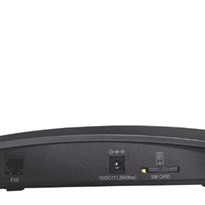
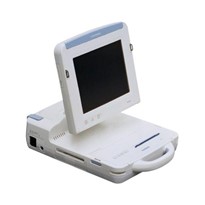
A dedicated telehealth terminal provides a stable and purpose-built platform for medical communication compared to consumer tablets or laptops. In clinical environments such as hospitals, telehealth providers, community care services, and remote clinics, reliable hardware is essential to ensure consistent performance and secure connectivity.
Supporting Remote Patient Monitoring
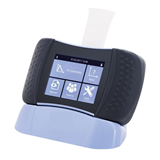
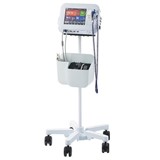
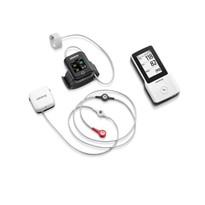
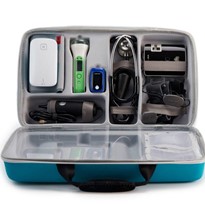
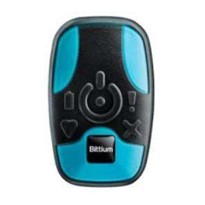
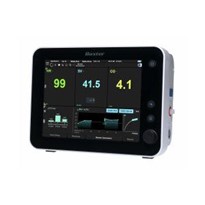
Telehealth terminals can act as the central interface for multiple medical monitoring devices. Vital signs data from patient monitors, ECG devices, or other diagnostic equipment can be transmitted through the terminal to telehealth platforms used by clinicians.
Typical monitoring applications include:
- Chronic disease monitoring
- Post-hospital discharge monitoring
- Remote cardiac observation
- Home-based healthcare programs
- Rural and remote patient care
By enabling continuous data transmission and communication between patients and clinicians, telehealth terminals help healthcare providers monitor patient conditions without requiring frequent hospital visits.
Enabling Telemedicine Consultations
Telehealth terminals are also widely used for telemedicine consultations. With integrated cameras, audio systems, and touchscreen interfaces, clinicians and patients can communicate clearly during remote consultations.
Common telemedicine use cases include:
- Specialist consultations for rural clinics
- Follow-up consultations after hospital discharge
- Community healthcare services
- Telehealth support for aged care facilities
- Remote triage and clinical assessments
These systems allow healthcare providers to extend their services beyond traditional clinical settings.
Integration with Digital Healthcare Platforms
Modern telehealth solutions often require integration with healthcare software platforms. Telehealth terminals can serve as the hardware interface connecting medical devices, patient data systems, and telemedicine applications.
Typical connectivity features include:
- WiFi and network connectivity for telehealth platforms
- Data communication with patient monitoring devices
- Integration with telemedicine software applications
- Support for cloud-based healthcare systems
Through this integration, telehealth terminals become part of a broader digital healthcare infrastructure that supports virtual care programs and remote clinical services.
Conclusion
Telehealth technology continues to expand the reach of modern healthcare by enabling remote consultations, patient monitoring, and connected clinical services. Dedicated telehealth terminals provide the hardware foundation required to support these digital healthcare workflows.
By enabling reliable communication between patients, clinicians, and medical monitoring devices, telehealth terminals play an important role in telemedicine programs, remote patient monitoring systems, and virtual care environments. As healthcare systems increasingly adopt digital care models, purpose-built telehealth hardware will remain a key component in delivering efficient and accessible healthcare services.