
Key takeaways
| Factor | Detail |
|---|---|
| Why autoclaves matter | Sterilisation failures directly impact patient safety — and happen more than clinics realise |
| Common challenges | Undersized units, poor water quality, incorrect cycle selection, maintenance gaps |
| Chamber sizes | 8–80 litres; match to session volume, not chair count alone |
| Cycle classes | Class B, Class S, Class N — each designed for different instrument types |
| Cycle time | 18–45 minutes depending on class, load and drying method |
| Key compliance standard | AS/NZS 4815 (dental), AS/NZS 4187 (medical); TGA registration required |
| Annual validation | Mandatory in most states — confirms cycles are actually sterilising |
| Total cost factors | Purchase price plus water treatment, consumables, servicing and validation |
Why understanding autoclaves matters for clinics
Sterilisation is where theory meets patient safety. An autoclave that looks fine on paper might fail silently — completing cycles that don't actually sterilise. This is almost always preventable with the right knowledge.
The right autoclave understanding helps you:
- Recognise why units fail prematurely (usually water quality, not the machine)
- Avoid bottlenecks that force staff to cut corners during peak sessions
- Meet compliance without overpaying for features you don't need
- Understand what validation checks and why it matters
Autoclave sterilisers are critical equipment across dental practices, GP and specialist clinics, podiatry, dermatology and cosmetic clinics, day surgeries, veterinary practices, and allied health clinics performing minor procedures.
Is this guide for you? If you're responsible for sterilisation at your clinic — managing an existing unit, troubleshooting problems, or involved in purchasing decisions — this guide explains what makes autoclaves reliable (or unreliable).
Autoclave types and what they're designed for
| Type | Chamber Size | Key Spec | What It Does |
|---|---|---|---|
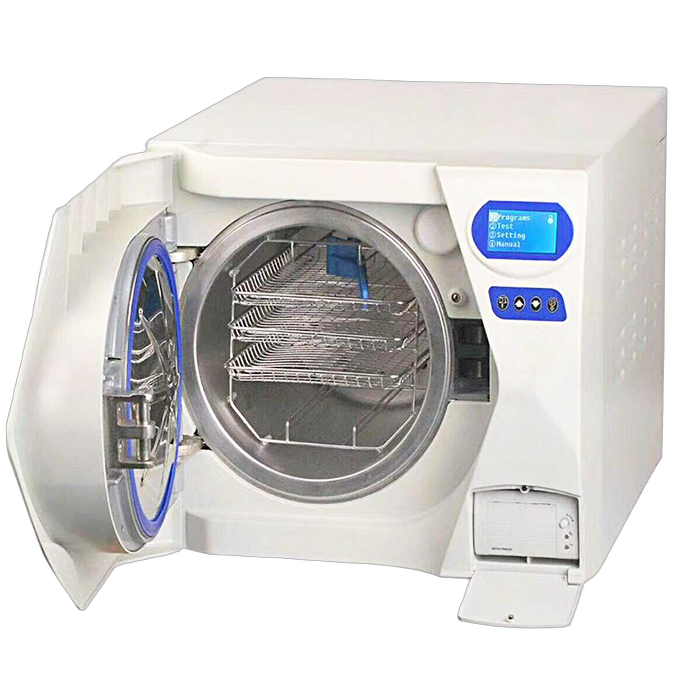
| Class B Benchtop | 17–45 L | Pre/post vacuum, full drying | Handles all instrument types — wrapped, pouched, hollow, porous |
| Class N Benchtop | 8–23 L | Gravity cycle, no vacuum | Limited to solid unwrapped instruments only |
| Class S Benchtop | 17–30 L | Configurable cycles | Designed for specific, defined load types |
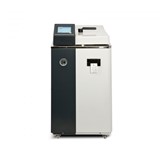
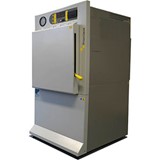
| Floor-Standing | 45–80 L | High-volume Class B | For busy clinics running multiple cycles per session |
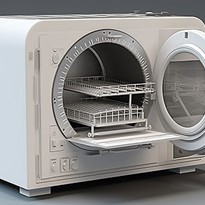
Class B benchtop units use vacuum before and after the sterilisation cycle, removing air pockets and allowing steam to penetrate pouches, hollow instruments and wrapped sets. If steam can't reach a surface, sterilisation doesn't happen.
Class N units rely on gravity to displace air. This works for solid tray instruments but cannot penetrate pouches, dental handpieces or wrapped loads. Many clinics don't realise this until they hit compliance issues.
Floor-standing units suit clinics running continuous sterilisation throughout the day, where turnaround time becomes a clinical bottleneck.
Key specifications: What matters and why
| Specification | Typical Range | Why It Matters |
|---|---|---|
| Chamber volume | 8–80 litres | Too small = bottlenecks; too large = slower drying |
| Cycle time | 18–45 minutes | Longer cycles often indicate Class N — check load compatibility |
| Water quality | Distilled or deionised only | The #1 reason autoclaves fail early |
| Drying system | Vacuum vs passive | Vacuum drying is essential; passive drying risks recontamination |
| Data logging | Built-in, USB or network | Required for compliance and audit records |
| Programmes | 2–8 cycles | Multiple programmes optimise for different load types |
Sizing rule: Single-chair clinics typically need 17–22 litres. Two or more chairs, or back-to-back sessions, generally require 22–28 litres minimum. If you're sterilising cassettes alongside individual instruments, a second unit often outperforms one oversized unit — see our guide on choosing the right autoclave for your dental practice.
Class b vs class n: Understanding the difference
| Factor | Class B | Class N |
|---|---|---|
| Vacuum system | Pre and post-vacuum | None — gravity displacement only |
| Load types | Wrapped, pouched, hollow, porous | Solid unwrapped instruments only |
| Drying | Active vacuum — instruments exit dry | Passive — may exit moist |
| Cycle time | 25–45 minutes | 18–28 minutes |
| AS/NZS 4815 | Approved for all load types | Approved for solid instruments only |
| Purchase price | $6,000–$25,000 | $3,000–$8,000 |
| Suitable for most dental clinics? | Yes | No |
If your clinic sterilises pouched instruments, dental handpieces, hollow loads or wrapped sets — which describes virtually every dental practice and most medical clinics — you need a Class B autoclave. Class N cycles on pouched loads don't meet AS/NZS 4815 requirements even if the cycle completes. Class N has a place only for solid-instrument-only, low-volume situations after confirming compliance with your infection control advisor.
Autoclave costs in Australia
Pricing reflects 2026 Australian market conditions.
| Category | Price Range (AUD) | Typical Configuration |
|---|---|---|
| Entry Class B benchtop | $6,000–$9,500 | 17–22 L, manual door, basic data logging |
| Mid-range Class B benchtop | $9,500–$16,000 | 22–28 L, auto door, integrated printer |
| High-spec Class B benchtop | $16,000–$25,000+ | 28–45 L, network logging, rapid cycles |
| Class N benchtop | $3,000–$8,000 | 8–23 L, gravity cycle |
| Floor-standing | $20,000–$60,000+ | 45–80 L, full Class B, high-throughput |
| Used / refurbished | $2,500–$10,000 | Validate service history and calibration status |
The hidden costs: sterilisation pouches, printer rolls and door seals run $800–$1,800 per year alongside distilled water costs. Annual servicing and validation add $600–$1,500. A water distiller costs $500–$1,200 upfront if you don't already have one.
Water quality is the single highest-impact variable on total cost of ownership after purchase price. Units run on tap water fail significantly earlier — a unit that should last 10–12 years may fail in 5–6 with poor water management.
Australian compliance requirements
- AS/NZS 4815:2006 — primary standard for dental practices; governs sterilisation procedures, validation and record-keeping
- AS/NZS 4187:2014 — applies to medical settings, hospitals and day surgeries
- TGA registration — all autoclave sterilisers must hold a current ARTG listing; confirm before purchase
- Annual validation — mandatory in most states; some jurisdictions require biannual testing
- Cycle records — must be retained for a minimum of 7 years in most jurisdictions; autoclave log books are required for compliance
- WHS obligations — staff must be trained and competency-assessed
- Water quality — distilled or deionised water mandatory; testing may be required during validation
Annual validation isn't paperwork — it's a qualified technician running test cycles with biological and chemical indicators to confirm your autoclave is actually sterilising. If you haven't validated in the past year, you're not compliant.
Supplier comparison checklist
| Factor | What to Ask |
|---|---|
| TGA registration | Is this unit on the ARTG? What is the listing number? |
| Standards compliance | Is this unit compliant with AS/NZS 4815 and/or AS/NZS 4187? |
| Warranty | What does it cover — parts, labour and travel? |
| Validation support | Do you provide installation validation and ongoing annual validation? |
| Service coverage | Do you have technicians in my state? Average callout response time? |
| Spare parts | Are parts stocked locally? What are typical lead times? |
| Training | Is operator training provided at installation and documented? |
| Data logging | Does cycle documentation meet state record-keeping requirements? |
Frequently asked questions
How much does a dental autoclave cost in Australia? A Class B benchtop autoclave suitable for dental use costs between $6,000 and $16,000 AUD in 2026 for most configurations, with high-specification European brands exceeding $20,000. Budget separately for installation, water treatment and annual validation. For a full breakdown see our dental autoclave prices guide.
What size autoclave does my clinic need? Single-chair practices typically operate well with a 17–22 litre chamber; two or more chairs generally requires at least 22–28 litres. If sterilising cassettes alongside individual instruments, a second unit is often more practical than one large unit for clinics that can't absorb sterilisation downtime.
What is the difference between Class B and Class N? Class B autoclaves use pre and post-vacuum cycles allowing full steam penetration of pouched, hollow, porous and wrapped loads. Class N units use gravity displacement only and are limited to solid unwrapped instruments. For most Australian dental and medical clinics, Class B is required under AS/NZS 4815.
Why does water quality matter so much? Mineral scale from tap water builds up inside the boiler and steam pathways, reducing efficiency and causing premature failure. The difference between distilled and tap water often determines whether a unit lasts 10+ years or 5–6 — it's the single biggest factor in total cost of ownership after purchase price. A water distiller is a low-cost way to protect a high-value asset.
Can I sterilise dental handpieces in any autoclave? No. Dental handpieces are hollow instruments requiring Class B vacuum cycles. Class N gravity cycles cannot reliably sterilise hollow lumens — confirm the unit's validated load types and verify compliance with AS/NZS 4815 before purchasing.
How often does an autoclave need servicing and validation? Annual validation is mandatory in most Australian states, with biannual validation required in some higher-risk settings. Routine servicing — door seals, water system, calibration — should occur at least annually. For a full maintenance overview see our guide on mastering dental autoclave maintenance. Cycle records must be retained for a minimum of 7 years.
Summary
- Class B is the standard for most Australian dental and medical clinics — required for pouched, hollow and wrapped loads under AS/NZS 4815
- Size to session volume: two or more chairs typically requires 22–28 L minimum
- Water quality directly impacts lifespan — it's the #1 factor determining whether your unit lasts 5 years or 12
- TGA registration and AS/NZS compliance must be confirmed before any purchase
- Annual validation is mandatory and must be factored into ongoing operating costs
- Supplier service coverage in your state directly affects clinical downtime risk
Ready to source your autoclave steriliser?
Don't waste time chasing individual suppliers. MedicalSearch gives you direct access to verified Australian autoclave steriliser suppliers — compare models, specs and pricing in one place, then request quotes from suppliers best matched to your operation.
- Compare models — filter by capacity, configuration and region
- Request quotes — contact multiple verified suppliers with a single enquiry
- Contact suppliers directly — speak to specialists who service your state
→ Compare Autoclave Sterilisers on MedicalSearch Now