
Key takeaways
Factor | Typical Range / Value | Buyer Implication |
|---|---|---|
DR system cost (new, AUD 2026) |
$60,000 - $180,000 |
Highest upfront cost, but lowest per-image cost and fastest workflow |
CR system cost (new) |
$15,000 - $40,000 |
Mid-range option; digitises an existing generator without full system replacement |
Film system running cost |
$3 - $8 per image (film + chemistry) |
Consumable cost per image is 10-20x higher than DR, and film is increasingly hard to source in Australia |
Image preview time |
DR: 3-5 sec / CR: 30-90 sec / Film: 5-10 min |
DR speed directly reduces patient time under sedation and increases daily case throughput |
Image storage |
Digital (DR/CR) vs physical (film) |
Digital images integrate with PACS and practice software; film requires physical storage and degrades |
Film availability in Australia (2026) |
Declining; major suppliers phasing out |
Clinics still on film face rising supply risk and increasing cost per sheet |
Introduction
The choice between digital radiography (DR), computed radiography (CR) and traditional film determines your image quality, workflow speed, running cost and long-term viability for the next decade. In 2026, DR accounts for over 70% of new veterinary x-ray installations in Australia, CR serves as a cost-effective bridge for clinics with working generators, and film is in managed decline with shrinking supplier support and rising consumable costs. Clinics still running film face a forced transition within 3-5 years as supply chains contract further.
This comparison guide maps all three technologies against the specifications, costs and workflow factors that matter at purchasing stage. Compare veterinary x-ray systems from verified Australian suppliers on MedicalSearch once you have confirmed which technology path fits your clinic's volume and budget.
Clinics facing this decision:
- Film-based practices forced to transition as consumable supply declines
- CR users evaluating whether to upgrade to DR for speed and image quality
- New practices deciding between CR retrofit and full DR installation
- Any clinic comparing the total cost of each technology over 10 years
Understand how each technology works
Before comparing costs, confirm what each system involves. The fundamental difference is how the x-ray image is captured and converted into a viewable format.
Technology | Image Capture Method | Best For |
|---|---|---|
DR (Digital Radiography) |
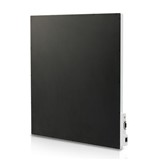
Flat panel detector converts x-rays directly to digital image |
Any clinic doing 5+ studies/week wanting fastest workflow and best image quality |
CR (Computed Radiography) |
Phosphor plate cassette is exposed, then scanned by a reader unit |
Clinics with a working generator wanting digital output at lower capital cost |
Film |
X-ray film exposed in cassette, chemically processed in darkroom |
Legacy only; no longer recommended for new installations due to supply decline |
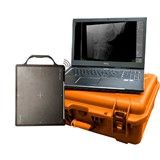
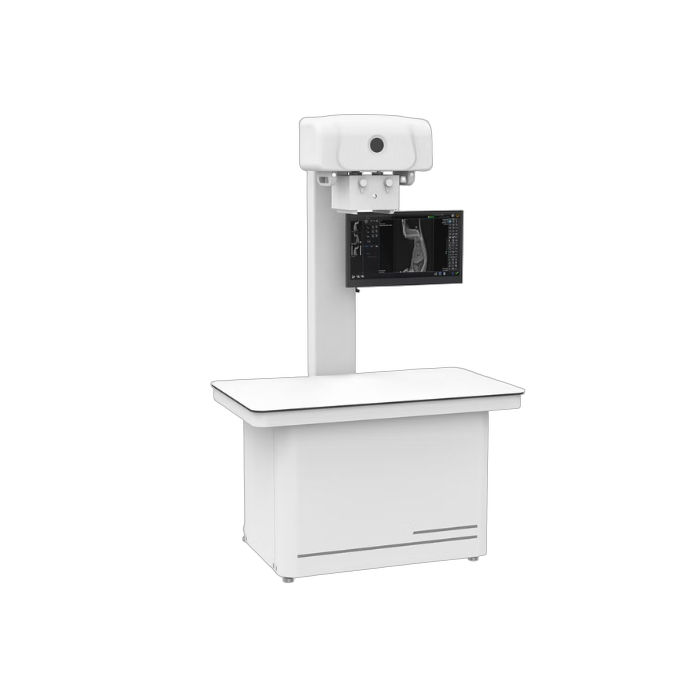
DR is the standard for new veterinary installations in 2026. It delivers diagnostic images in 3-5 seconds, stores them digitally, integrates with PACS and practice management software, and has no per-image consumable cost beyond electricity.
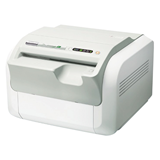
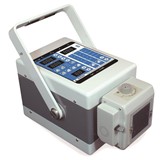
CR is the bridge technology for clinics that have a functioning x-ray generator and cannot justify full DR investment. It eliminates chemical processing and film storage, but images take 30-90 seconds to process per cassette, and phosphor plates degrade with use (replacement every 2-3 years at $500-$1,500 per plate).
Evaluate the key specifications
With the technology difference understood, these are the specs that determine clinical performance and workflow efficiency.
Specification | DR | CR | Film |
|---|---|---|---|
Image preview |
3-5 seconds |
30-90 seconds |
5-10 minutes |
Spatial resolution (lp/mm) |
3.5 - 5.0 |
3.0 - 4.0 |
4.0 - 6.0 |
Dynamic range |
Widest (fewer retakes) |
Wide |
Narrow (more retakes) |
Post-processing |
Full digital adjustment |
Digital adjustment |
None |
PACS / software integration |
Native DICOM |
DICOM capable |
Manual digitisation needed |
Retake rate |
2-5% |
5-10% |
10-20% |
Understand the full cost breakdown (2026 prices)
Purchase price is only part of the picture. The 10-year total cost of ownership reverses the upfront price advantage of film and narrows the gap between CR and DR significantly.
Cost Category | DR | CR | Film |
|---|---|---|---|
System cost (new) |
$60,000 - $180,000 |
$15,000 - $40,000 |
$5,000 - $15,000 (used only) |
Per-image consumable |
~$0.10 (electricity) |
$0.30-$0.80 (plate wear) |
$3 - $8 (film + chemistry) |
Annual maintenance |
$2,000 - $5,000 |
$1,500 - $3,000 |
$1,000 - $3,000 + darkroom costs |
10-year consumable cost (1,500 images/yr) |
$1,500 |
$4,500 - $12,000 |
$45,000 - $120,000 |
At 1,500 images per year, a film system consuming $5/image in consumables spends $75,000 over 10 years on film and chemistry alone. A DR system producing the same volume spends $1,500 over the same period. The $60,000-$180,000 DR purchase price is recovered through consumable savings within 5-8 years, and the clinic benefits from faster workflow and better image quality from day one. Request quotes from veterinary x-ray suppliers on MedicalSearch to compare DR, CR and upgrade options for your clinic.
Decision framework - DR vs CR vs film
Decision Factor | DR | CR | Film |
|---|---|---|---|
New clinic / full fitout |
Best choice |
Budget option |
Not suitable |
Working generator, budget under $40k |
Over budget |
Best choice |
Not recommended |
5+ studies/week |
Best fit |
Viable |
Not recommended |
Under 5 studies/week |
Viable (portable) |
Best fit |
Not recommended |
Lowest 10-year TCO |
At volume |
Mid-range |
Highest |
Speed / workflow priority |
Best fit |
Slower |
Very slow |
Long-term supply security |
Best fit |
Slower |
High risk |
Evaluate suppliers
You are ready to go to market. Use this checklist to assess each supplier against the same criteria.
Factor | What to Ask |
|---|---|
Technology options |
Does the supplier offer both DR and CR so you can compare on equal terms? |
Image quality demonstration |
Can the supplier show veterinary clinical images from each system side by side? |
Upgrade path |
If starting with CR, can you upgrade to DR later using the same generator and software? |
PACS integration |
Is the system DICOM-compatible with your practice management software? |
Detector / plate lifespan |
What is the expected lifespan and replacement cost of the DR panel or CR cassettes? |
Training |
Is operator training included for the specific technology being installed? |
Fitout support |
Does the supplier coordinate room shielding design and radiation compliance? |
Service and warranty |
What is the warranty period and local service coverage in your state? |
Software updates |
Are software and firmware updates included or charged separately? |
Finance |
Does the supplier offer lease or hire-purchase to spread the cost of DR over 3-5 years? |
Frequently asked questions
Is DR worth the higher upfront cost over CR for a veterinary clinic?
For clinics imaging 5+ patients per week, DR pays for the price difference through faster workflow, lower retake rates and near-zero consumable cost within 3-5 years. Below 5 studies per week, CR offers adequate digital quality at a lower entry point.
Can i still buy veterinary x-ray film in Australia?
Film is available but supply is declining and prices are rising as major manufacturers phase out production. Clinics still on film should plan a transition to CR or DR within 2-3 years to avoid supply disruption.
What is the 10-year cost difference between DR and film?
At 1,500 images per year, film consumables cost $45,000-$120,000 over 10 years. DR consumables cost approximately $1,500 over the same period. The difference ($43,500-$118,500) more than covers the DR purchase premium.
Can i upgrade from CR to DR without replacing the x-ray generator?
In most cases, yes. A DR flat panel detector can replace CR cassettes on the same generator if the generator meets minimum kW and kVp specifications. This is one of the lowest-cost paths to full digital imaging.
Does the choice of imaging technology affect radiation licensing requirements?
No. All three technologies use the same x-ray generator and produce ionising radiation. The same state radiation management and use licences apply regardless of whether the image is captured on film, CR plate or DR panel.
Summary
- DR ($60,000-$180,000) is the standard for new vet x-ray installations in 2026 - fastest workflow, lowest per-image cost
- CR ($15,000-$40,000) is the cost-effective digital bridge for clinics with working generators
- Film is in managed decline - rising costs, shrinking supply and no new installations recommended
- DR consumable savings recover the price premium over film within 5-8 years at moderate volume
- CR-to-DR upgrade is possible on most existing generators, making CR a viable stepping stone
- All three technologies require the same radiation licensing - the imaging method does not change compliance obligations
Ready to source your veterinary x-ray system?
Don't waste time contacting suppliers individually. MedicalSearch gives you direct access to verified Australian veterinary x-ray suppliers - compare models, specs and pricing in one place, then request quotes from suppliers best matched to your clinic.
- Compare models - filter by technology, power and region
- Request quotes - contact multiple verified suppliers with a single enquiry
- Contact suppliers directly - speak to specialists who service your state
→ Compare Veterinary X-Ray Machines on MedicalSearch Now →