
Key takeaways
- Purchase price range: $20,000-$60,000 for a standalone FPD panel (AUD 2026) - but the 10-year cost of ownership is 2-3 times the purchase price for most practices.
- Panel replacement at year 8-10: $20,000-$60,000 - the single largest cost in a 10-year cycle and the line item most consistently absent from initial approval submissions.
- ARPANSA compliance testing: Radiation safety testing is required at commissioning and periodically thereafter under state-based regulation (typically $1,500-$3,500 per test) - confirm testing frequency with your state authority and include this as a recurring cost in your model.
- PACS/software licensing: $2,000-$8,000 per year for cloud-based systems - a fixed recurring cost that begins on day one of clinical operation.
- Annual service contract: $2,000-$6,000 per year depending on brand and coverage tier - confirm parts and labour inclusions before signing.
- 10-year TCO (mid-spec wireless FPD): $130,000-$180,000 including purchase, one panel replacement, servicing, ARPANSA testing, and PACS licensing.
- ATO effective life: 10 years - diminishing value rate 20%, prime cost rate 10%.
- Hire-to-own: Available from approximately $800/month for a $35,000 system over 48 months - appropriate for new or expanding practices where patient volume is still building.
Flat panel detector replacement and ownership costs: What Australian practices budget vs what they actually spend
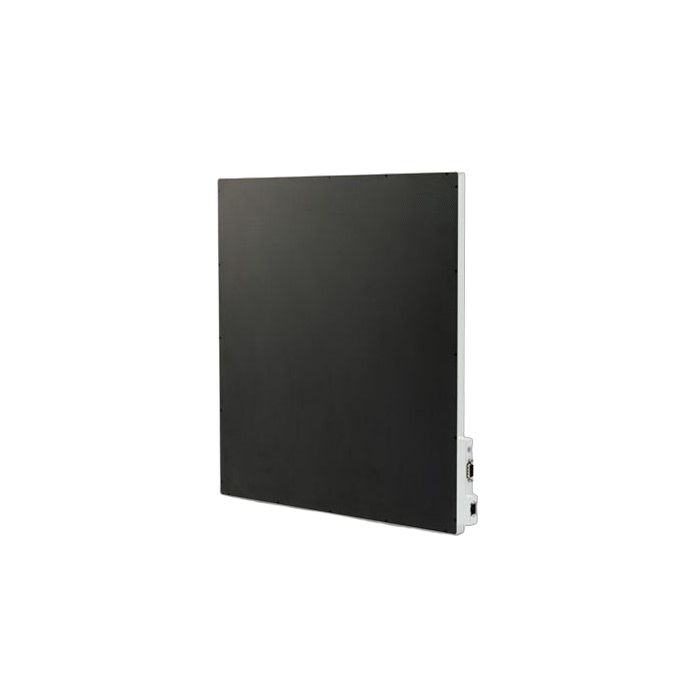
Flat panel detector purchases get approved on the purchase price and stall at renewal because no one budgeted for what came after. Panel replacement at year 8-10, mandatory ARPANSA compliance testing, and PACS licensing together add $5,500-$17,500 per year to the cost of operating an FPD system - and all three are routinely absent from initial cost models. This guide builds the complete 10-year ownership cost picture so your approval submission and your renewal budget reflect what the asset actually costs. If you are still at configuration selection stage, the flat panel detector buying guide covers panel types and specifications before you model costs.
This guide is for practice managers and clinical directors building capital approval submissions, finance applications, or 5-10 year equipment budgets. It covers every recurring cost line for operating an FPD system in Australia in 2026. Get quotes for flat panel detectors on MedicalSearch to benchmark these costs against real supplier pricing. Practices carrying these costs include:
- GP and primary care clinics operating a fixed DR room
- Chiropractic and sports medicine practices with high daily imaging volume
- Radiology and diagnostic imaging centres managing multi-panel fleets
- Veterinary hospitals operating DR systems for large and small animal imaging
Confirm your system type - costs vary significantly by configuration
Before modelling any cost, confirm which FPD configuration you are operating or planning to purchase. Your system type sets your annual maintenance load, replacement cycle cost, and compliance obligations for the next decade.
System Type | Key Cost Driver | Annual Running Cost |
|---|---|---|
Wired FPD (fixed room) |
Service contract and ARPANSA testing |
$4,500-$10,000/year |
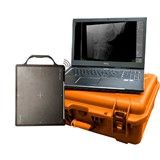
Wireless FPD |
Battery replacement, service contract, ARPANSA |
$5,500-$12,000/year |
Retrofit DR kit |
Panel plus legacy generator maintenance |
$5,000-$11,000/year |
Multi-panel fleet (3+ panels) |
Staggered replacement cycles, fleet service contract |
$12,000-$35,000+/year |
Operating a wireless FPD adds battery replacement at $800-$2,000 per battery pack every 3-4 years on top of standard servicing - a cost that wired installations do not carry and that is consistently overlooked in multi-room wireless deployments.
Operating a retrofit DR kit means your legacy generator and tube carry their own separate maintenance and compliance costs alongside the FPD - model both as distinct cost lines, not a single combined figure.
The key cost specifications
With your system type confirmed, these are the specifications that determine how much you will spend annually - and which costs most practices underestimate at approval stage.
Specification | Typical Range | Cost Implication |
|---|---|---|
Daily imaging volume |
5-100+ images/day |
Higher imaging volume increases utilisation and service frequency, and may contribute to earlier component wear - model costs at your actual daily exposure count |
Panel age at purchase |
New or refurbished |
A refurbished panel at $10,000-$25,000 may have a shorter remaining service life, potentially requiring replacement within 3-5 years depending on prior usage - model replacement cost before committing |
Service contract tier |
Breakdown vs full PM |
Full PM contracts cost $1,000-$2,000/year more than breakdown-only but reduce unplanned downtime - one unplanned service call typically costs $500-$1,500 |
PACS model |
Cloud vs on-premise |
Cloud PACS runs $2,000-$8,000/year; on-premise adds $5,000-$15,000 in server hardware upfront plus IT maintenance |
State of operation |
NSW, VIC, QLD, WA, SA |
ARPANSA testing cost and state regulator fees vary - NSW EPA and VIC DHHS sit at the higher end of the $1,500-$3,500 range |
Full cost breakdown (2026 prices)
Purchase price is only part of the picture - most cost models that get rejected at approval stage have missed the running cost layer. Here is every line item.
Cost Category | Price Range (AUD) | Notes |
|---|---|---|
Wired FPD panel (new) |
$20,000-$35,000 |
GOS entry to CsI mid-range; ARTG-listed |
Wireless FPD panel (new) |
$28,000-$60,000 |
CsI standard at this tier; includes AED and battery |
Installation and commissioning |
$1,500-$5,000 |
Frequently excluded from quoted price - confirm before signing |
Annual service contract |
$2,000-$6,000/year |
Confirm parts, labour, and PM visit inclusions |
ARPANSA compliance testing |
$1,500-$3,500/year |
Mandatory across all states - budget as a fixed non-negotiable line item |
PACS/software licensing |
$2,000-$8,000/year |
Cloud-based; on-premise server adds $5,000-$15,000 upfront |
Battery pack replacement (wireless) |
$800-$2,000 per pack |
Every 3-4 years; wired installations do not carry this cost |
Panel replacement (year 8-10) |
$20,000-$60,000 |
Budget for one full replacement in the 10-year ownership cycle |
10-year TCO (mid-spec wireless) |
$130,000-$180,000 |
Includes purchase, one panel replacement, servicing, ARPANSA, PACS |
The gap between what practices budget and what they spend is overwhelmingly driven by three line items: panel replacement, ARPANSA compliance testing, and PACS licensing. A practice that budgets purchase price only at $40,000 and runs the system for 10 years without modelling these costs will spend $90,000-$140,000 more than the approval submission anticipated. For a mid-spec wireless panel at $28,000-$60,000, get quotes for flat panel detectors and ask every supplier for a 10-year cost model at your daily imaging volume before committing.
Plan the asset - depreciation and financing
The ATO effective life for diagnostic imaging equipment is 10 years - diminishing value rate 20%, prime cost rate 10%. Most FPD panels exceed the $20,000 instant asset write-off threshold for 2025-26 and depreciate under standard diminishing value. Residual value at 8-10 years is typically 5-15% of purchase price for well-maintained systems with documented service and compliance records.
Operating leases from $800-$1,500/month over 48-60 months convert a capital outlay into a predictable monthly cost - appropriate for new practices or where volume is still building. Finance approval before equipment selection sets the budget ceiling and keeps the clinical decision separate from sticker-price pressure. The CR/DR system price guide covers the broader system financing context including generator and room costs.
Evaluate suppliers on cost
You are ready to go to market. Use this checklist to assess what each supplier includes and excludes from their total cost picture.
Factor | What to Ask |
|---|---|
10-year cost model |
Can you provide a 10-year TCO estimate at my daily imaging volume including panel replacement? |
ARPANSA support |
Do you assist with ARPANSA commissioning and provide annual testing documentation support? |
Panel replacement cost |
What is the current replacement cost for this panel model and is a trade-in or upgrade program available? |
Service contract scope |
Does the contract include parts, labour, PM visits, and software updates - or is it call-out only? |
PACS licensing model |
Is PACS licensed annually, per-seat, or perpetually - and what happens if you change PACS provider? |
Installation inclusions |
Is installation, commissioning, ARTG documentation, and operator training included in the quoted price? |
Battery replacement cost (wireless) |
What is the battery pack replacement cost and expected cycle at my daily image volume? |
Finance options |
Do you offer or facilitate operating lease, hire-to-own, or equipment loan arrangements? |
Frequently asked questions
What is the 10-year total cost of ownership for a flat panel detector in Australia?
A mid-spec wireless FPD purchased at $40,000 typically reaches $130,000-$180,000 over 10 years including one panel replacement, annual servicing, ARPANSA testing, and PACS licensing. The purchase price typically represents less than one-third of the total 10-year cost in most operating scenarios.
What ownership costs are most commonly missing from flat panel detector approval submissions?
Panel replacement at year 8-10 ($20,000-$60,000), ARPANSA compliance testing ($1,500-$3,500/year), and PACS licensing ($2,000-$8,000/year) are the three line items most consistently absent - together adding $5,500-$17,500 per year that does not appear in the purchase price quote.
When does an operating lease make more financial sense than outright purchase for a flat panel detector?
Operating lease at $800-$1,500/month is the correct structure when imaging volume is unproven - new practices, expanding services, or sites where patient throughput has not yet reached the level that justifies a capital outlay of $28,000-$60,000. It also keeps the replacement cycle cost off the balance sheet.
How does daily imaging volume affect the 5-year running cost of a flat panel detector?
Higher volume accelerates detector degradation, increases PM service frequency, and may trigger earlier panel replacement - a practice imaging 60+ patients/day should model a 6-8 year replacement cycle rather than 10. At high volume, a full PM service contract at $4,000-$6,000/year is lower risk than a breakdown-only contract that exposes the practice to unplanned downtime costs of $500-$1,500 per call-out.
Summary
- 10-year TCO for a mid-spec wireless FPD is $130,000-$180,000 - purchase price alone accounts for less than one-third of this figure
- Panel replacement at $20,000-$60,000 in year 8-10 is the single largest cost in the ownership cycle and the item most consistently absent from approval submissions
- ARPANSA testing and PACS licensing together add $3,500-$11,500 per year - budget both as fixed non-negotiable annual lines from day one
- Wireless panels carry additional battery replacement costs at $800-$2,000 per pack every 3-4 years - not present in wired installations
- Ask every supplier for a 10-year cost model at your daily imaging volume before shortlisting - any supplier unable to produce one is not the right partner for a 10-year asset decision
Don't waste time contacting suppliers individually. MedicalSearch gives you direct access to verified Australian flat panel detector suppliers - where medical buyers request and compare multiple quotes so they can buy with confidence.
- Get quotes for flat panel detectors - contact multiple verified suppliers with a single enquiry
- Compare models - filter by panel type, scintillator, and region
- Contact suppliers directly - speak to imaging specialists who service your state
→ Get and compare flat panel detector quotes now → https://www.medicalsearch.com.au/buy/flat-panel-detector