
Let us get you 3 quotes
Compare and select the best Dental 3D Printer
Compare Quotes

Find the right
Dental 3D Printer
Dental 3D Printer
Join medical buyers comparing supplier quotes and buying with confidence. Free, quick and easy.
Get quotes from top Australian suppliers


How MedicalSearch works
Tell us what you need
Answer a few quick questions about the equipment you're looking for.
Get personalised quotes
Receive tailored quotes from relevant Australian suppliers.
Compare and choose
Compare quotes, ask questions and choose the best option for you.
Looking to buy the best Dentafab Dental 3D Printer for sale? Get Quotes sends your requirements to expert suppliers in Australia so you get personalised quotes to compare Dental 3D Printer prices, specifications, features and terms then choose the one that’s right for you. Also compare servicing, consumables and reviews, so you can buy with confidence.
 Save time
 Compare quotes
 Buy with confidence
Save time, compare quotes & buy with confidence
Dental 3D Printer Suppliers
Updated Jun 22, 2026
Supplier Location
Brand
Filter by brand:
Filter by location:
CM Medical | Dentistry Solutions
CM MEDICAL - Digital Dentistry Solution Provider
CM MEDICAL - Digital Dentistry Solution Provider


Dental 3D Printer
Dental 3D Printer
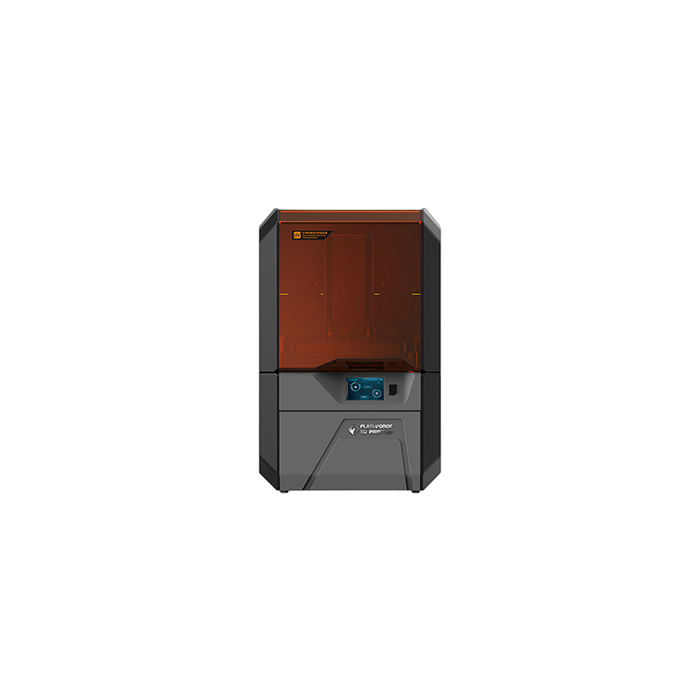
What is a dental 3D printer, and how does it work?
A dental 3D printer is a specialized printer that is used to create dental prosthetics, such as crowns, bridges, and dentures. It works by using a digital file of the patient's teeth and gums to create a 3D model of the prosthetic. The printer then uses this model to build the prosthetic layer by layer, using materials such as resin or ceramic. The result is a highly accurate and precise prosthetic that is custom-made for the patient's mouth. Dental 3D printers have revolutionized the field of dentistry, making it possible to create prosthetics quickly and with a high degree of accuracy.
What are the benefits of using a dental 3D printer?
Precision: Dental 3D printers can produce highly accurate and precise dental models, crowns, bridges, and other dental prosthetics.
- Time-saving: 3D printing can significantly reduce the time required to produce dental prosthetics, as compared to traditional methods.
- Cost-effective: Dental 3D printing can reduce the cost of producing dental prosthetics, as it eliminates the need for expensive materials and equipment.
- Customization: 3D printing allows for the creation of highly customized dental prosthetics that are tailored to the patient's specific needs.
- Improved patient experience: Dental 3D printing can improve the patient experience by reducing the number of appointments required for dental prosthetic production and by providing a more comfortable fit.
- Reduced waste: 3D printing can reduce waste by using only the necessary amount of materials required to produce the dental prosthetic.
What types of materials can be used with a dental 3D printer?
A dental 3D printer can use a variety of materials, including resins, ceramics, metals, and plastics. The specific materials used depend on the type of printer and the intended application. Resins are commonly used for creating dental models and surgical guides, while ceramics and metals are used for creating dental restorations such as crowns and bridges. Plastics can also be used for creating orthodontic aligners and other dental appliances.
What is the cost of a dental 3D printer, and what are the ongoing expenses?
The cost of a dental 3D printer can range from $2,000 to $50,000 depending on the features and capabilities. Ongoing expenses include the cost of materials such as resin or metal powders, maintenance and repairs, and software updates. The cost of materials can vary depending on the type and quality, but can range from $50 to $500 per liter. Maintenance and repairs may also require additional costs for replacement parts or technician fees. Software updates may also come at a cost, but can be essential for improving the printer's capabilities and ensuring compatibility with new materials.
What is the resolution of a dental 3D printer, and how does it affect the quality of the final product?
The resolution of a dental 3D printer refers to the level of detail that can be achieved in the final product. It is measured in microns, with a lower number indicating a higher resolution. The resolution of a dental 3D printer can range from 25 to 100 microns.
- A higher resolution can result in a more detailed and accurate final product, with smoother surfaces and sharper edges. This is particularly important for dental applications, where precision and accuracy are critical for a successful outcome.
What is the printing speed of a dental 3D printer, and how does it affect the workflow?
The printing speed of a dental 3D printer varies depending on the model and manufacturer, but it typically ranges from 20-100 mm/hour. The printing speed can affect the workflow in several ways, including the time it takes to produce a single dental restoration, the number of restorations that can be produced in a given time frame, and the overall efficiency of the dental lab. A faster printing speed can increase productivity and reduce turnaround times, but it may also require more frequent maintenance and calibration to ensure the quality of the printed restorations.
What software is required to operate a dental 3D printer, and is it user-friendly?
To operate a dental 3D printer, software such as CAD (computer-aided design) and CAM (computer-aided manufacturing) software is required. These software programs allow the user to create and design the 3D model that will be printed, as well as prepare the file for printing.
What is the warranty and support offered by the manufacturer or distributor?
However, in general, the warranty and support offered by manufacturers or distributors can vary depending on the product and company. Some may offer a limited warranty for a certain period of time, while others may offer extended warranties or additional support services for an additional fee. It is important to read the warranty information and contact the manufacturer or distributor for any questions or concerns regarding their warranty and support policies.
What are the safety precautions that need to be taken while using a dental 3D printer?
Wear appropriate personal protective equipment (PPE), such as gloves, safety glasses, and a lab coat.
- Ensure that the printer is placed in a well-ventilated area to prevent inhalation of fumes and dust.
- Follow the manufacturer's instructions for operating the printer and handling the materials.
- Use only approved materials for printing, and store them in a safe and secure location.
- Keep the printer and surrounding area clean and free of clutter to prevent accidents.
- Avoid touching the printer while it is in operation, as it can be hot and cause burns.
- Regularly inspect the printer for any signs of damage or malfunction, and address any issues immediately.
Get 3+ Quotes Now - Compare prices, availability and quality. It’s free, quick and secure.
Back to top
Dental 3D Printer Costs and Supplier Insights
The listed price of a Dental 3D Printer for sale ranges from $5,000 to $15,000, averaging $10,000.
If you are looking to buy a Dental 3D Printer for sale, suppliers on MedicalSearch include CM Medical
Use Get Quotes to receive personalised prices and proposals from trusted suppliers with top reviews and excellent service.
Buy a Dental 3D Printer Near Me
Save time and delivery costs while getting fast support, by contacting Dental 3D Printer suppliers near you.
Back to top
Dental 3D Printer Articles & Reviews


Are you a Dental 3D Printer supplier?
 Reach valuable medical buyers in minutes
 Promote key products & content
 Drive cost effective & measurable sales
learn more
Reach valuable medical buyers in minutes
Promote key products & content
Drive cost effective & measurable sales