
Dermatoscope & Episcope

Join medical buyers comparing supplier quotes and buying with confidence. Free, quick and easy.


How MedicalSearch works
Tell us what you need
Answer a few quick questions about the equipment you're looking for.
Get personalised quotes
Receive tailored quotes from relevant Australian suppliers.
Compare and choose
Compare quotes, ask questions and choose the best option for you.
 Save time
 Compare quotes
 Buy with confidence
Save time, compare quotes & buy with confidence
Dermatoscope & Episcope Suppliers
Whether we like it not, Australia has one of the highest rates of skin cancer in the world. In fact, two of every three Australians will be diagnosed with some form of skin cancer by the time they turn 70.
And while there are all manner of other potential cancers Australians can encounter on a bad day, fair skins, a less than fair climate full of harsh sunshine and a stubborn love for the outdoors conspire to make skin cancer the primary threat for Australians of all ages.
Fortunately, this apparent disregard for the realities of excessive UV exposure is offset by fairly diligent skin cancer awareness and a propensity to get regular skin checks.
Doctors armed with good quality dermatoscopes or episcopes are therefore critical to ensure these skin checks diagnose any skin abnormality early.
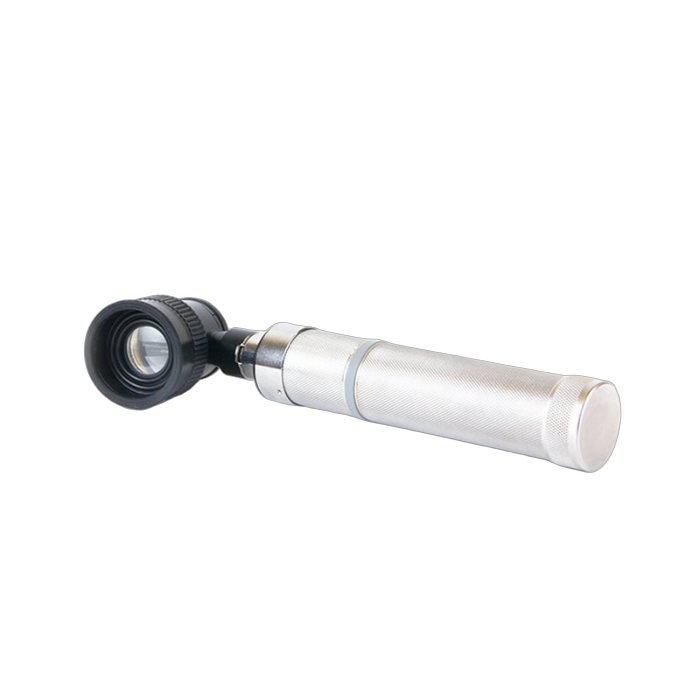
Dermatoscopes are hand-held magnifying devices used to examine skin lesions and abnormalities. Episcopes are microscopes that magnify, illuminate and measure skin lesions such as melanoma and basal cell carcinomas for an accurate diagnosis.
Not that dermatoscopes and episcopes are only designed to diagnose cancers, be they melanoma or basal cell carcinomas. A good quality dermatoscope or episcope is designed to spot all manner of skin conditions from eczema to psoriasis.
As Australia's first online medical equipment supplier, DocStock was founded in 2005 with one goal in mind; to bring you, our customers, the best of both worlds - online savings on high quality medical equipment, combined with friendly expert advice and support. Today, we remain committed to our founding principles. We continue to offer only the top quality medical equipment ...
Customers: GPs, Specialists, Health Professionals, Hospitals

Dermlite DermLite DL5 Dermatoscope
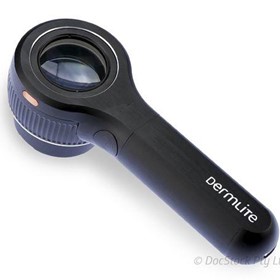
Dermlite DL4 Hand-Held Dermatoscope with Pigment Boost

Our friendly sales team are here to help with all your product enquires. Or for home health care and sports medicine needs, visit our showroom conveniently located in the Wollongong and Illawarra area.


AMA Medical Products is a local supplier and national distributor of diagnostic medical equipment. National distribution lines include the Edan Instruments range of Diagnostic Medical Equipment, that includes Patient Monitors and Foetal and Maternal Monitors and the newly launched NUUBO: Wireless Cardiac Monitoring system. Through a well established, national distribution ...


Capital Medical Supplies supplies Doctors and Hospitals with over 6,000 products. We are specialists in the wholesale supply and distribution of all medical consumable products as well as a comprehensive range diagnostic, resuscitation, clinical equipment and instruments. We deliver with our own courier service, as well as local courier companies.


MEDISA is a private Sydney based company, active in providing medical and health products. WE are here to help you with any medical, laboratory or healthcare needs.


Established in the late 1800's, Warner & Webster Pty Ltd has a proud history of providing the medical profession with the entire range of medical and surgical requisites. Warner & Webster has always been at the forefront of technology, bringing the medical profession the latest developments while retaining our strong focus on customer service. We remain an Australian ...


- An episcope, on the other hand, is a medical device that is used to examine the eye. It is a handheld device that has a magnifying lens and a light source. Episcopes are used to examine the eye for any abnormalities such as cataracts, macular degeneration, and retinal detachment.
- Improved accuracy of diagnosis: Dermatoscope and episcope allow dermatologists to examine skin lesions more closely, making it easier to identify subtle changes in color, texture, and shape. This, in turn, leads to more accurate diagnoses and better treatment outcomes.
- Non-invasive: Unlike skin biopsies, which can be painful and invasive, dermatoscopy and episcopy are non-invasive techniques that do not require any incisions or anesthesia. This makes them more comfortable for patients and reduces the risk of complications.
- Early detection of skin cancer: Dermatoscopy is particularly useful in detecting early-stage skin cancers, such as melanoma. By identifying suspicious lesions at an early stage, dermatologists can offer more effective treatments and improve patient outcomes.
- More efficient consultations: Dermatoscopy and episcopy can be used during consultations to help patients understand their skin conditions better. By visualizing the lesions together, dermatologists can explain the diagnosis and treatment plan more clearly, which can improve patient compliance and satisfaction.
- Magnification: Look for a device with high magnification capabilities to help you see the skin's surface in detail.
- Light source: The device should have a powerful light source to illuminate the skin and enhance visibility.
- Polarization: Polarized devices help reduce glare and reflections, making it easier to see the skin's surface.
- Quality optics: It is important to look for high-quality optics that can provide clear and sharp images.
- Portability: Consider the size and weight of the device, especially if you plan on using it in different locations.
- Durability: Look for a well-built device that can withstand frequent use and handling.
- Software compatibility: Some devices come with software that allows you to capture and store images for future reference.
- Easy to use: Choose a device that is easy to use and has a user-friendly interface.
- Price: Consider your budget and look for a device that offers good value for money.
- Both dermatoscopes and episcope can be used for both clinical and cosmetic purposes. For example, dermatoscopes can be used to examine skin lesions for cancer or to evaluate the effectiveness of cosmetic treatments. Episcopes can be used to diagnose hair and scalp conditions such as dandruff or hair loss, and also to evaluate hair growth after hair transplant surgery.
- Disinfect the instrument with a solution of 70% isopropyl alcohol or another disinfectant recommended by the manufacturer.
- Store the instrument in a cool, dry place to prevent damage to the lens or other components.
- Check the battery regularly and replace it as needed to ensure the instrument is working properly.
- Follow the manufacturer's instructions for any additional maintenance or repair needs.
- Avoid dropping or otherwise damaging the instrument, as this can affect its accuracy and function.
- Consider purchasing a protective case or cover to protect the instrument when not in use.
Dermatoscope & Episcope Costs and Supplier Insights
If you are looking to buy a Dermatoscope & Episcope for sale, suppliers on MedicalSearch include DocStock
Buy a Dermatoscope & Episcope Near Me

 Reach valuable medical buyers in minutes
 Promote key products & content
 Drive cost effective & measurable sales