
Let us get you 3 quotes
Compare and select the best Washer Extractor
Compare Quotes

Find the right
Washer Extractor
Washer Extractor
Join medical buyers comparing supplier quotes and buying with confidence. Free, quick and easy.
Get quotes from top Australian suppliers


How MedicalSearch works
Tell us what you need
Answer a few quick questions about the equipment you're looking for.
Get personalised quotes
Receive tailored quotes from relevant Australian suppliers.
Compare and choose
Compare quotes, ask questions and choose the best option for you.
Looking to buy the best Electrolux Washer Extractor for sale? Get Quotes sends your requirements to expert suppliers in Australia so you get personalised quotes to compare Washer Extractor prices, specifications, features and terms then choose the one that’s right for you. Also compare servicing, consumables and reviews, so you can buy with confidence.
 Save time
 Compare quotes
 Buy with confidence
Save time, compare quotes & buy with confidence
Washer Extractor Suppliers
Updated Jul 15, 2026
Supplier Location
Brand
Filter by brand:
Filter by location:
Richard Jay Pty Ltd | Laundry, Warewashing and Chemical Dispensing solutions
Our family-owned Australian company launched in 1969 as a single laundromat in Adelaide. Since then, we’ve grown into an internationally recognised corporation providing laundry, warewashing and chemical dispensing solutions for hospitality, healthcare, government, education, mining and community operations of all sizes.
Our family-owned Australian company launched in 1969 as a single laundromat in Adelaide. Since then, we’ve grown into an internationally recognised corporation providing laundry, warewashing and chemical dispensing solutions for hospitality, healthcare, government, education, mining and community operations of all sizes.


Washer Extractor
Washer Extractor
What is a barrier washer, and how does it differ from a regular washing machine?
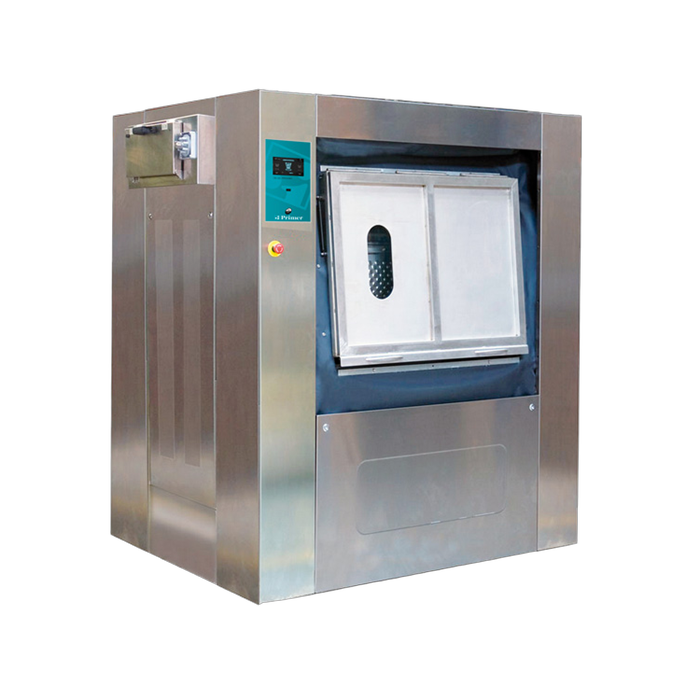
A barrier washer is a specialized washing machine used in healthcare facilities and other settings where hygiene is critical. It differs from a regular washing machine in several ways, including its design, construction, and operation. Barrier washers are typically built with two separate compartments, one for dirty laundry and one for clean laundry, and are designed to prevent cross-contamination between the two. They also feature advanced filtration systems and other technologies to ensure that all laundry is thoroughly cleaned and disinfected. Additionally, barrier washers are often equipped with specialized programs and cycles for different types of laundry, such as heavily soiled linens or contaminated clothing.
What are the benefits of using a barrier washer in a healthcare or hospitality setting?
A barrier washer is a specialized washing machine used in healthcare and hospitality settings to prevent the spread of infectious diseases. The benefits of using a barrier washer include:
- Preventing cross-contamination: Barrier washers have two separate compartments, one for dirty laundry and one for clean laundry. This prevents cross-contamination between the two and reduces the risk of spreading infectious diseases.
- Improved hygiene: Barrier washers are designed to meet strict hygiene standards and have features such as high-temperature washing, disinfection cycles, and automatic dosing of detergents and disinfectants.
- Increased efficiency: Barrier washers are designed to handle large volumes of laundry quickly and efficiently, reducing the time and labor required to process laundry.
- Cost-effective: Barrier washers can help reduce the risk of infection outbreaks, which can be costly for healthcare and hospitality facilities. By investing in a barrier washer, facilities can save money in the long run by reducing the risk of infection and improving overall hygiene.
What capacity options are available for barrier washers, and which one is suitable for my needs?
Barrier washers are available in various capacities ranging from 10 kg to 100 kg or more. The suitable capacity option for your needs depends on the volume of laundry you need to process. If you have a small business or a healthcare facility with a low volume of laundry, a 10-20 kg capacity barrier washer may be sufficient. However, if you have a larger facility with a high volume of laundry, you may need a barrier washer with a capacity of 50 kg or more. It is important to consider your current and future needs when selecting a capacity option for your barrier washer.
What types of fabrics and materials can be washed in a barrier washer?
Barrier washers are designed to prevent the spread of contaminants between different areas of a facility, such as hospitals or laboratories. They are typically used to wash linens, uniforms, and other textiles that may be contaminated with bacteria, viruses, or other pathogens. The types of fabrics and materials that can be washed in a barrier washer include:
- Cotton and polyester blends
- Microfiber fabrics
- Nylon and polyester fabrics
- Towels and washcloths
- Lab coats and scrubs
- Bed linens and pillowcases
- Patient gowns and hospital uniforms
- Surgical drapes and gowns
- Isolation gowns and protective clothing
- Mops and cleaning cloths
What safety features should I look for when buying a barrier washer?
When buying a barrier washer, you should look for safety features such as:
- Interlocking doors: The washer should have interlocking doors that prevent both doors from being opened at the same time.
- Emergency stop button: The washer should have an emergency stop button that can be used to immediately stop the machine in case of an emergency.
- Overload protection: The washer should have overload protection that prevents the machine from operating if it is overloaded.
- Automatic shut-off: The washer should have an automatic shut-off feature that turns off the machine if it detects any abnormal conditions.
- Safety sensors: The washer should have safety sensors that detect any obstructions or abnormalities in the machine and stop it from operating.
- Fire suppression system: The washer should have a fire suppression system that can quickly extinguish any fires that may occur.
- Lockable controls: The washer should have lockable controls that prevent unauthorized access and tampering.
- Ground fault circuit interrupter (GFCI): The washer should have a GFCI that protects against electrical shock.
How much water and energy does a barrier washer consume compared to a regular washing machine?
A barrier washer consumes more water and energy than a regular washing machine due to its larger size and specialized features. Barrier washers are designed for commercial and industrial use, and they typically have a higher capacity than residential washing machines. Additionally, barrier washers are designed to meet strict hygiene standards, which means they use hot water and specialized detergents to sanitize laundry. As a result, barrier washers consume more water and energy than regular washing machines. However, the exact amount of water and energy consumed will depend on the specific model and usage patterns.
What maintenance and cleaning procedures are required for a barrier washer?
However, based on research, here are some maintenance and cleaning procedures required for a barrier washer:
- Regular cleaning of the machine's exterior and interior surfaces to prevent the buildup of dirt and debris.
- Cleaning the door gaskets and seals to prevent the growth of mold and bacteria.
- Regular inspection and replacement of the machine's filters to ensure proper air circulation and prevent the buildup of lint and debris.
- Regular inspection and replacement of the machine's hoses and valves to prevent leaks and ensure proper water flow.
- Regular inspection and calibration of the machine's temperature and pressure sensors to ensure proper operation.
- Regular inspection and maintenance of the machine's electrical components to prevent malfunctions and ensure safety.
- Regular inspection and maintenance of the machine's mechanical components, such as bearings and belts, to prevent wear and tear and ensure proper operation.
Are there any government regulations or standards that a barrier washer must comply with in Australia?
However, it is recommended to consult with the relevant authorities or seek advice from a professional in the industry to ensure compliance with all applicable regulations and standards.
What is the warranty and after-sales support offered by the manufacturer or supplier?
The warranty and after-sales support offered by the manufacturer or supplier refers to the guarantee and assistance provided to customers after the purchase of a product. This can include a warranty period during which the manufacturer will repair or replace any defects in the product, as well as ongoing customer support to address any questions or concerns. The specific terms and length of the warranty and after-sales support will vary depending on the product and supplier.
How much does a barrier washer cost, and what are the payment and financing options available?
However, interested buyers can contact manufacturers or suppliers of barrier washers to inquire about their prices and available payment and financing options. It is also recommended to compare prices and financing options from different sources to make an informed decision.
Get 3+ Quotes Now - Compare prices, availability and quality. It’s free, quick and secure.
Back to top
Washer Extractor Costs and Supplier Insights
The listed price of a Washer Extractor for sale ranges from $15,000 to $30,000, averaging $22,500.
If you are looking to buy a Washer Extractor for sale, suppliers on MedicalSearch include Richard Jay Pty Ltd
Use Get Quotes to receive personalised prices and proposals from trusted suppliers with top reviews and excellent service.
Buy a Washer Extractor Near Me
Save time and delivery costs while getting fast support, by contacting Washer Extractor suppliers near you.

Are you a Washer Extractor supplier?
 Reach valuable medical buyers in minutes
 Promote key products & content
 Drive cost effective & measurable sales
learn more
Reach valuable medical buyers in minutes
Promote key products & content
Drive cost effective & measurable sales