
Let us get you 3 quotes
Compare and select the best Heat & Cold Pack
Compare Quotes

Find the right
Heat & Cold Pack
Heat & Cold Pack
Join medical buyers comparing supplier quotes and buying with confidence. Free, quick and easy.
How MedicalSearch works
Tell us what you need
Answer a few quick questions about the equipment you're looking for.
Get personalised quotes
Receive tailored quotes from relevant Australian suppliers.
Compare and choose
Compare quotes, ask questions and choose the best option for you.
Looking to buy the best Pelican Heat & Cold Pack for sale? Get Quotes sends your requirements to expert suppliers in Australia so you get personalised quotes to compare Heat & Cold Pack prices, specifications, features and terms then choose the one that’s right for you. Also compare servicing, consumables and reviews, so you can buy with confidence.
 Save time
 Compare quotes
 Buy with confidence
Save time, compare quotes & buy with confidence
Heat & Cold Pack Suppliers
Updated Nov 05, 2025

Pelican Manufacturing | Hospital, Nursing, Physio & OT Equipment
Pelican Manufacturing was established in 1986 to provide selected pressure care items for geriatric patients in nursing homes and hospitals. Since then we have grown and developed into Australia's premier nursing goods supplier, offering a wide and thorough range of products covering manual handling, pressure care, hoist slings, theatre & post operative care, patient dignity, ...
Customers: Hospitals, Nursing Homes, Care Facilities


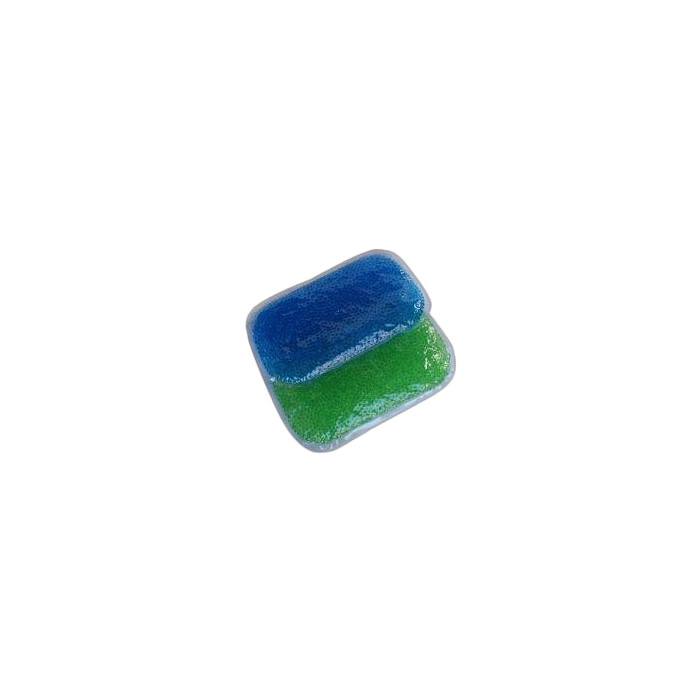
Heat & Cold Pack
Heat & Cold Pack
What are heat packs and cold packs used for?
Heat packs and cold packs are used for different purposes. Heat packs are used to relieve muscle stiffness and soreness. They are also used to soothe menstrual cramps, arthritis pain, and tension headaches. Heat therapy increases blood flow, which promotes healing and relaxes the muscles. Cold packs, on the other hand, are used to reduce swelling and inflammation. They are commonly used for acute injuries, such as sprains, strains, and bruises. Cold therapy slows down blood flow, which reduces swelling and pain. Both heat and cold packs can be used for pain relief and injury management. It is important to use them correctly and follow the instructions to avoid any potential harm.
How long do heat packs and cold packs last?
Heat packs and cold packs typically last between 20-30 minutes. However, the duration can vary depending on the type and brand of the pack, as well as the specific application. It is important to follow the instructions provided with the pack to ensure safe and effective use. Additionally, it is recommended to wait at least an hour between applications to avoid damaging the skin or underlying tissues.
Can heat packs and cold packs be reused?
Heat packs and cold packs are designed for one-time use only. They are made of materials that are designed to absorb and release heat or cold energy, and they will lose their effectiveness over time. Reusing them could also lead to bacterial growth and contamination, which could be dangerous to your health. It is best to dispose of used heat packs and cold packs in the trash and purchase new ones when needed.
What are the different types of heat packs and cold packs available?
Heat packs and cold packs are commonly used to provide relief from pain and discomfort. There are several types of heat packs and cold packs available in the market, including:
- Gel packs: These are usually filled with a gel substance that can be frozen or heated as required. They are reusable and are often used to treat sports injuries or sore muscles.
- Instant heat packs: These are single-use packs that generate heat when activated. They are often used by athletes for quick pain relief.
- Electric heating pads: These are like a flat cushion that plugs into an electrical outlet and provides a continuous supply of heat. They are often used for back pain or menstrual cramps.
- Hot water bottles: These are a traditional option that involves filling a rubber bottle with hot water. They can provide warmth for several hours and are often used to soothe stomach cramps.
- Ice packs: These are often used to treat swelling or inflammation. They can be made by filling a plastic bag with ice or by using a pre-made reusable gel pack.
- Instant cold packs: Similar to instant heat packs, these are single-use packs that generate cold when activated. They are often used to treat acute injuries or swelling.
How do I choose the right sized heat pack or cold pack?
Choosing the right sized heat pack or cold pack depends on the area of the body that needs to be treated. For larger areas like the back, a larger pack would be needed, while for smaller areas like the wrist or ankle, a smaller pack would suffice. It is important to follow the manufacturer's instructions for proper usage and duration of the therapy. Additionally, consulting with a healthcare professional can provide guidance on the appropriate size and type of pack to use for specific injuries or conditions.
Are heat packs and cold packs safe to use?
Heat packs and cold packs are generally safe to use, but they can cause burns or frostbite if used improperly. It is important to follow the instructions carefully and not leave the pack on for too long. If you have any medical conditions or are unsure about using a heat or cold pack, consult with a healthcare professional first. Additionally, it is important to check the pack for leaks or damage before use and discard if necessary.
Can heat packs and cold packs be microwaved or frozen?
Heat packs and cold packs can be microwaved or frozen, but it depends on the type of pack. Some packs are designed specifically for microwave or freezer use, while others may not be safe to use in these appliances. It is important to read the instructions carefully and follow them to ensure the pack is used safely and effectively. Additionally, it is important to avoid overheating or overfreezing the pack, as this can cause damage to the pack and potentially harm the user.
How do I clean and maintain my heat pack or cold pack?
Heat packs and cold packs are great for pain relief and injury treatment, but they need to be cleaned and maintained properly to ensure their effectiveness and longevity. Here are some tips on how to clean and maintain your heat pack or cold pack:
- Cleaning:
- Use a damp cloth or sponge to wipe the surface of the pack.
- If the pack is very dirty, use mild soap and warm water to clean it.
- Rinse the pack thoroughly and let it air dry.
- Do not put the pack in a washing machine or dryer.
- Maintenance:
- Store the pack in a cool, dry place.
- Do not expose the pack to direct sunlight or heat.
- Check the pack for leaks or cracks before each use.
- If the pack is damaged, dispose of it and replace it with a new one.
- Follow the manufacturer's instructions for heating or cooling the pack.
Are there any health concerns when using heat packs or cold packs?
Heat packs and cold packs are commonly used for pain relief and injury treatment. While they can be effective, there are some health concerns to keep in mind.
- Heat packs can cause burns if left on the skin for too long or if the temperature is too high. It is important to follow instructions for heating and to check the temperature before applying to the skin.
- Cold packs can also cause skin damage if left on for too long or if applied directly to the skin. It is recommended to wrap the cold pack in a cloth or towel before applying to the skin.
- Both heat and cold packs can cause skin irritation or allergic reactions in some individuals. It is important to monitor the skin for any signs of irritation or discomfort.
- Additionally, it is important to consult with a healthcare professional before using heat or cold therapy if you have certain medical conditions such as diabetes, circulation problems, or nerve damage.
Can I use heat packs and cold packs for children and pets?
However, in general, heat and cold packs can be used for children and pets, but it is important to use them with caution and under the guidance of a medical professional. Heat packs can help alleviate muscle cramps, while cold packs can help reduce swelling and inflammation. It is important to ensure that the temperature of the pack is not too hot or too cold to avoid burns or discomfort. Additionally, it is important to monitor the child or pet to ensure they do not chew or ingest the pack. Consulting with a veterinarian or pediatrician is recommended before using heat or cold packs on children or pets.
Get 3+ Quotes Now - Compare prices, availability and quality. It’s free, quick and secure.
Back to top
Heat & Cold Pack Costs and Supplier Insights
The listed price of a Heat & Cold Pack for sale ranges from $10 to $50, averaging $30.
If you are looking to buy a Heat & Cold Pack for sale, suppliers on MedicalSearch include Pelican Manufacturing
Use Get Quotes to receive personalised prices and proposals from trusted suppliers with top reviews and excellent service.
Buy a Heat & Cold Pack Near Me
Save time and delivery costs while getting fast support, by contacting Heat & Cold Pack suppliers near you.

Are you a Heat & Cold Pack supplier?
 Reach valuable medical buyers in minutes
 Promote key products & content
 Drive cost effective & measurable sales
learn more
Reach valuable medical buyers in minutes
Promote key products & content
Drive cost effective & measurable sales