
Let us get you 3 quotes
Compare and select the best Homogeniser
Compare Quotes

Find the right
Homogeniser
Homogeniser
Join medical buyers comparing supplier quotes and buying with confidence. Free, quick and easy.
Get quotes from top Australian suppliers


How MedicalSearch works
Tell us what you need
Answer a few quick questions about the equipment you're looking for.
Get personalised quotes
Receive tailored quotes from relevant Australian suppliers.
Compare and choose
Compare quotes, ask questions and choose the best option for you.
Looking to buy the best Wiggens Homogeniser for sale? Get Quotes sends your requirements to expert suppliers in Australia so you get personalised quotes to compare Homogeniser prices, specifications, features and terms then choose the one that’s right for you. Also compare servicing, consumables and reviews, so you can buy with confidence.
 Save time
 Compare quotes
 Buy with confidence
Save time, compare quotes & buy with confidence
Homogeniser Suppliers
Updated Sep 21, 2026
Supplier Location
Brand
Filter by brand:
Filter by location:
Advance Scientific Products Pty Ltd | Life, Chemical, and Analytical Sciences Products
Advance Scientific Products Pty Ltd is based in Queensland and is focused on delivering high-quality products and service to our customers in the life, chemical and analytical sciences across Australia. The company was established in 2013 by experienced instrumentation specialists to provide full distribution and customer support capability to manufacturers seeking to expand ...
Customers: Universities of Sydney, Melbourne and Queensland, Monash University, QUT, CSIRO

Wiggens HG400 Pro stomacher (flapping homogeniser) with adjustable speed
The Wiggens HG400 Pro flapping homogeniser or Stomacher is ideal for the homogenisation of a wide range of fruit, vegetables, animal and fish ...

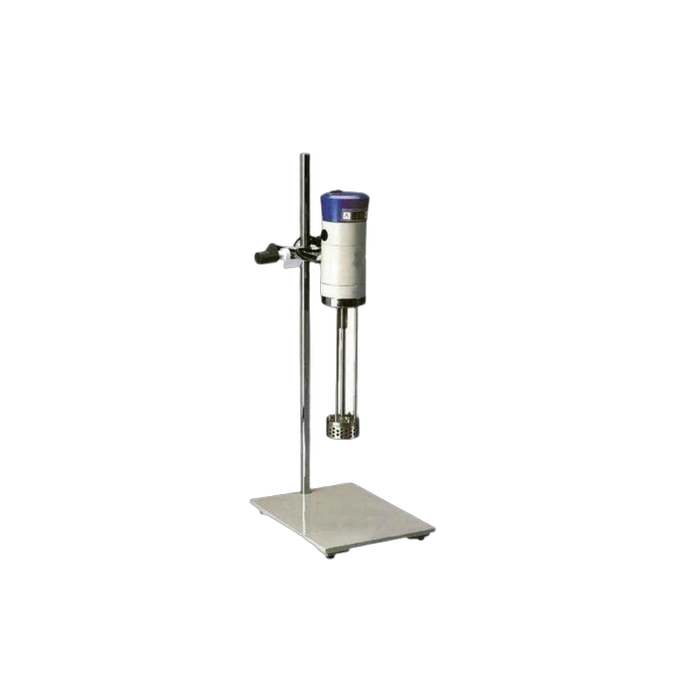
Wiggens High speed homogeniser | speed range from 10000 rpm-30000 rpm | D-500
The D-500 high speed homogeniser has a speed range of 10000 - 30000 rpm speed range & processing capacity from 10 mL to 40 L. A wide range of ...

Wiggens High speed homogeniser with speed range from 0 to 25000 rpm | D-130C
The D-130C homogeniser is lightweight so it is ideal for hand-held processing of small samples in volumes from 0.5 mL - 250 mL (based on use ...

Homogeniser
Homogeniser
What is a homogeniser and what does it do?
A homogeniser is a machine used in various industries to mix, blend, and emulsify substances to create a uniform mixture. It works by forcing the substance through a narrow opening or valve at high pressure, breaking down particles and creating a smooth and consistent product. Homogenisers are commonly used in the food, pharmaceutical, and cosmetic industries to create products such as milk, creams, lotions, and medicines.
What are the different types of homogenisers available in Australia?
There are several types of homogenizers available in Australia, including mechanical homogenizers, ultrasonic homogenizers, and high-pressure homogenizers. Mechanical homogenizers use a rotor-stator system to break down samples, while ultrasonic homogenizers use high-frequency sound waves to disrupt cells. High-pressure homogenizers use high-pressure forces to break down samples and create uniform particles. Other types of homogenizers include bead mill homogenizers and blade homogenizers. Each type of homogenizer has its own advantages and disadvantages, and the choice of homogenizer will depend on the specific application and sample type.
What is the capacity of a homogeniser and how do I choose the right one for my needs?
A homogeniser is a machine used to mix, blend, or emulsify substances to create a uniform mixture. The capacity of a homogeniser refers to the amount of material it can process at one time. The capacity of a homogeniser can range from small laboratory models that can process a few millilitres of material to large industrial models that can process thousands of litres of material per hour.
- When choosing a homogeniser, it is important to consider the volume of material that needs to be processed, the viscosity of the material, and the desired level of homogenisation. Other factors to consider include the power source, the type of homogenising head, and the level of automation required.
What is the price range for homogenisers in Australia?
However, based on my research, the price range for homogenizers in Australia can vary depending on the type and size of the equipment. Benchtop homogenizers can cost anywhere from $1,000 to $10,000, while larger industrial homogenizers can range from $20,000 to $100,000 or more. The price can also vary depending on the brand, quality, and features of the homogenizer. It is best to consult with a supplier or manufacturer for specific pricing information.
What are the maintenance requirements for a homogeniser?
Homogenisers require regular maintenance to ensure their proper functioning and longevity. The maintenance requirements for a homogeniser include:
- Cleaning: The homogeniser should be cleaned regularly to prevent the buildup of residue and contaminants. This can be done by flushing the system with water or a cleaning solution.
- Lubrication: The moving parts of the homogeniser should be lubricated regularly to prevent wear and tear. This can be done by applying a suitable lubricant to the bearings and other moving parts.
- Inspection: The homogeniser should be inspected regularly for signs of wear and damage. Any damaged or worn parts should be replaced immediately to prevent further damage.
- Calibration: The homogeniser should be calibrated regularly to ensure that it is operating at the correct pressure and speed. This can be done using a pressure gauge and a tachometer.
- Replacement of parts: Some parts of the homogeniser, such as seals and gaskets, may need to be replaced periodically to ensure proper functioning.
How do I clean and sanitize a homogeniser?
To clean and sanitize a homogenizer, follow these steps:
- Disassemble the homogenizer and remove any leftover product or debris.
- Rinse all parts with warm water to remove any remaining residue.
- Soak all parts in a cleaning solution, such as a mixture of water and detergent or a specialized cleaning agent.
- Scrub all parts with a soft-bristled brush to remove any stubborn residue.
- Rinse all parts thoroughly with clean water.
- Sanitize all parts by soaking them in a sanitizing solution, such as a mixture of water and bleach or a specialized sanitizing agent.
- Rinse all parts thoroughly with clean water.
- Reassemble the homogenizer and test it to ensure it is working properly.
What are the safety features of a homogeniser?
Homogenisers are used in various industries to mix, blend, and emulsify liquids and semi-solids. They are powerful machines that can pose a risk to operators if not used correctly. Therefore, homogenisers are equipped with several safety features to ensure the safety of the operator and the surrounding environment. Some of the safety features of a homogeniser include:
- Interlock switches: These switches prevent the homogeniser from operating if the safety guards are not in place.
- Emergency stop button: This button immediately stops the homogeniser in case of an emergency.
- Pressure relief valve: This valve releases excess pressure to prevent the homogeniser from exploding.
- Overload protection: This feature shuts down the homogeniser if it is overloaded, preventing damage to the machine.
- Automatic shut-off: This feature automatically shuts off the homogeniser if it detects any abnormal vibrations or sounds.
- Safety guards: These guards protect the operator from coming into contact with moving parts of the homogeniser.
- Warning signs: These signs alert the operator to potential hazards and remind them to follow safety procedures.
What is the warranty period for a homogeniser and what does it cover?
However, in general, the warranty period for a homogeniser can vary depending on the manufacturer and model. It typically ranges from 1 to 3 years. The warranty usually covers defects in materials and workmanship, but may not cover damage caused by misuse or normal wear and tear. It is important to read the manufacturer's warranty policy carefully to understand what is covered and what is not.
How long does it take to receive a homogeniser after placing an order?
However, the delivery time of a homogenizer may vary depending on the supplier, the model, and the shipping method chosen. It is best to check with the supplier for an estimated delivery time.
What is the return policy for a homogeniser if it doesn't meet my expectations?
It is best to check the manufacturer's website or contact their customer service for information on their return policy.
Get 3+ Quotes Now - Compare prices, availability and quality. It’s free, quick and secure.
Back to top
Homogeniser Costs and Supplier Insights
The listed price of a Homogeniser for sale ranges from $5,000 to $30,000, averaging $17,500.
If you are looking to buy a Homogeniser for sale, suppliers on MedicalSearch include Advance Scientific Products Pty Ltd
Use Get Quotes to receive personalised prices and proposals from trusted suppliers with top reviews and excellent service.
Buy a Homogeniser Near Me
Save time and delivery costs while getting fast support, by contacting Homogeniser suppliers near you.

Are you a Homogeniser supplier?
 Reach valuable medical buyers in minutes
 Promote key products & content
 Drive cost effective & measurable sales
learn more
Reach valuable medical buyers in minutes
Promote key products & content
Drive cost effective & measurable sales