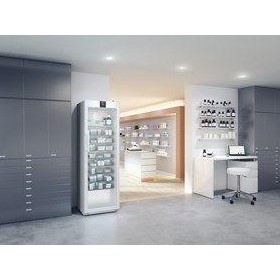
Polaris Blast Chillers Commercial Blast ...
Polaris Blast Chillers - Commercial Blast Chillers Price Guide: $4,000
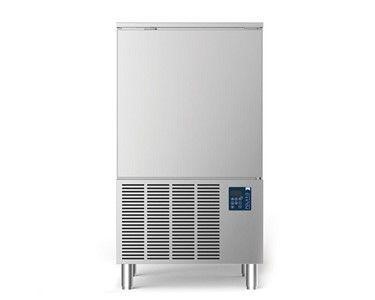
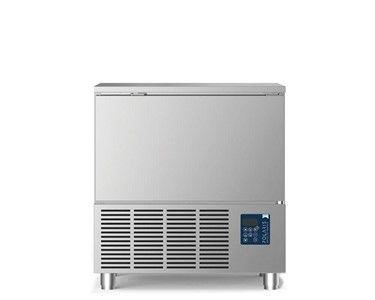
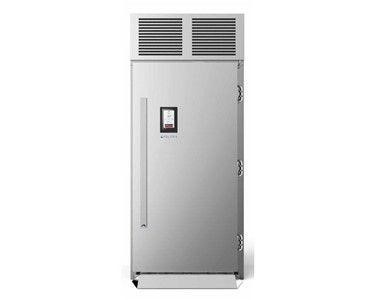
Blast Chillers | KC100 C, KC100 L, PBF051 ECO, PBF081 ECO, PBF161 ECO
Polaris blast chillers are indispensable in commercial kitchens and food production for rapid and precise cooling. Two significant benefits that set Polaris Blast Chillers apart:
- Improve quality of prepared food
- Saves cost of food production.
Applications for this product
- Regenerating pre-cooked food by precise thawing and heating
- Food Preservation: rapidly cool cooked food, bringing it from a high temperature to a safe storage temperature quickly. This process helps preserve the quality, texture, and taste of the food while preventing bacterial growth.
- Ice Cream and Gelato Production: Blast chillers are commonly used in the production of ice cream and gelato. They cool the base mixture rapidly, preventing the formation of ice crystals and ensuring a smooth and creamy texture in the finished product.
- Extended Shelf Life: Rapidly cooling hot food using blast chillers extends the shelf life of the food. The food can be stored for longer periods without compromising its quality.
- Batch Cooking: large quantities of food are cooked and then rapidly chilled. Enables efficient production and helps save time.
- Meal Planning and Preparing in Advance: By cooling large quantities of cooked food quickly, it becomes easier to prepare meals in advance, store them safely, and reheat them as needed.
- Catering and Banquets: They enable the catering staff to cook and chill food in advance, ensuring efficient service and maintaining the quality of the dishes for large events.
- Bakery and Pastry: Rapid chilling helps set the structure and preserve the moisture of these products, enhancing their quality and extending their shelf life.
- Chocolate and Confectionery: Rapid cooling helps set the chocolate or confectionery, providing a smooth and glossy finish.
- HACCP Compliance: Blast chillers assist in complying with Hazard Analysis Critical Control Point (HACCP) guidelines and regulations. that focuses on identifying and controlling potential hazards in food handling. Rapid cooling with a blast chiller is an essential step in the HACCP process.
- Versatility: Used for various food items, including hot dishes, soups, sauces, pastries, desserts, and beverages. Available in different sizes and configurations to accommodate diverse needs and kitchen setups.
Features of this product
- Rapid Cooling: Blast chillers are quickly and efficiently lower the temperature of food and beverages from hot to a safe storage temperature. They employ powerful refrigeration systems and high-velocity airflow to achieve rapid cooling.
- Precise Temperature Control: To set and maintain the desired cooling temperature. Digital controls with temperature displays for easy monitoring and adjustment.
- Programmable Cycles: Many models have programmable settings to accommodate various chilling cycles. You may choose a soft chilling cycle for delicate items or a hard chilling cycle for denser foods.
- Capacity Options: Blast chillers come in different sizes and capacities to suit the needs of various foodservice operations based on the volume of food or beverages to chill. Options range from smaller countertop models to larger floor-standing units.
- Multi-functionality: Some blast chillers may include options for blast freezing, slow cooking, proofing, or even shock freezing. These added features provide versatility and can be beneficial in certain kitchen environments.
- Stainless Steel Construction: Many blast chillers are constructed with stainless steel materials, which offer durability, easy cleaning, and resistance to corrosion. Stainless steel interiors help maintain hygiene and can withstand the demands of commercial kitchens.
- Safety Features: Such as door alarms to alert users if the door is left open or not closed properly. Some models may have temperature monitoring systems to ensure food remains within safe temperature ranges
- Easy Maintenance: Removable parts for easier cleaning and maintenance. Regular maintenance helps keep the unit in optimal condition for reliable performance.
- Time Efficiency: Blast chillers significantly reduce the cooling time of hot foods compared to traditional cooling methods saving valuable time in busy kitchens, allowing for faster turnover and more efficient production.
Specifications for this product
- Cooling Capacity: Blast chillers are designed to rapidly cool food, so they have a high cooling capacity. The cooling capacity is usually measured in kilograms or pounds of food that can be chilled within a specified time, such as 90 kg (200 lbs) of food in 90 minutes.
- Temperature Range: Blast chillers typically have a wide temperature range to accommodate different types of food. They can chill food from high temperatures (e.g., +90°C / +194°F) down to a safe storage temperature (e.g., +3°C / +37°F) or lower.
- Chilling Time: The chilling time is the duration required for the blast chiller to cool food from its initial temperature to the desired storage temperature. Blast chillers are designed to accomplish this quickly, usually within a few hours or less, depending on the food volume and unit capacity.
- Control System: Blast chillers have a control system that allows users to set the desired chilling time and temperature. Modern units often feature digital controls with programmable settings, allowing for precise temperature and time adjustments.
- Construction and Insulation: Blast chillers are typically constructed with stainless steel interiors and exteriors for durability and ease of cleaning. They have excellent insulation to minimize heat transfer and maintain consistent cooling performance.
- Airflow System: Blast chillers employ a forced air or fan system to circulate cold air evenly throughout the chilling compartment. This ensures uniform cooling and prevents hot spots in the food.
- Capacity and Shelving: Blast chillers come in various sizes and capacities, ranging from small countertop units to larger floor-standing models. The interior is usually equipped with adjustable shelving or racks to accommodate different food containers or trays.
- HACCP Compliance: Blast chillers with HACCP features help ensure food safety by maintaining accurate temperature control and providing documentation capabilities.
- Energy Efficiency: Energy efficiency is an important consideration for blast chillers to minimize operating costs. Look for units with energy-saving features like efficient compressors, insulated doors, and smart controls to optimize energy usage.
- Accessories: Some blast chillers may offer additional features or accessories, such as built-in temperature probes for food temperature monitoring, touch-screen interfaces, USB ports for data transfer, or compatible blast freezer attachments.
To contact Medical Laboratory Equipment Australia about Polaris Blast Chillers Commercial Blast Chillers use Get a quote.
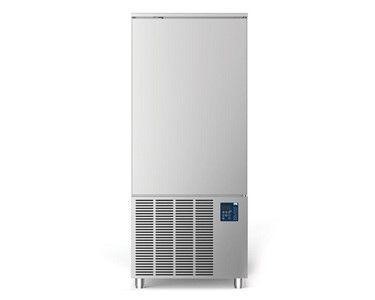
Polaris blast chillers are indispensable in commercial kitchens and food production for rapid and precise cooling. Two significant benefits that set Polaris Blast Chillers apart:
- Improve quality of prepared food
- Saves cost of food production.
Applications for this product
- Regenerating pre-cooked food by precise thawing and heating
- Food Preservation: rapidly cool cooked food, bringing it from a high temperature to a safe storage temperature quickly. This process helps preserve the quality, texture, and taste of the food while preventing bacterial growth.
- Ice Cream and Gelato Production: Blast chillers are commonly used in the production of ice cream and gelato. They cool the base mixture rapidly, preventing the formation of ice crystals and ensuring a smooth and creamy texture in the finished product.
- Extended Shelf Life: Rapidly cooling hot food using blast chillers extends the shelf life of the food. The food can be stored for longer periods without compromising its quality.
- Batch Cooking: large quantities of food are cooked and then rapidly chilled. Enables efficient production and helps save time.
- Meal Planning and Preparing in Advance: By cooling large quantities of cooked food quickly, it becomes easier to prepare meals in advance, store them safely, and reheat them as needed.
- Catering and Banquets: They enable the catering staff to cook and chill food in advance, ensuring efficient service and maintaining the quality of the dishes for large events.
- Bakery and Pastry: Rapid chilling helps set the structure and preserve the moisture of these products, enhancing their quality and extending their shelf life.
- Chocolate and Confectionery: Rapid cooling helps set the chocolate or confectionery, providing a smooth and glossy finish.
- HACCP Compliance: Blast chillers assist in complying with Hazard Analysis Critical Control Point (HACCP) guidelines and regulations. that focuses on identifying and controlling potential hazards in food handling. Rapid cooling with a blast chiller is an essential step in the HACCP process.
- Versatility: Used for various food items, including hot dishes, soups, sauces, pastries, desserts, and beverages. Available in different sizes and configurations to accommodate diverse needs and kitchen setups.
Features of this product
- Rapid Cooling: Blast chillers are quickly and efficiently lower the temperature of food and beverages from hot to a safe storage temperature. They employ powerful refrigeration systems and high-velocity airflow to achieve rapid cooling.
- Precise Temperature Control: To set and maintain the desired cooling temperature. Digital controls with temperature displays for easy monitoring and adjustment.
- Programmable Cycles: Many models have programmable settings to accommodate various chilling cycles. You may choose a soft chilling cycle for delicate items or a hard chilling cycle for denser foods.
- Capacity Options: Blast chillers come in different sizes and capacities to suit the needs of various foodservice operations based on the volume of food or beverages to chill. Options range from smaller countertop models to larger floor-standing units.
- Multi-functionality: Some blast chillers may include options for blast freezing, slow cooking, proofing, or even shock freezing. These added features provide versatility and can be beneficial in certain kitchen environments.
- Stainless Steel Construction: Many blast chillers are constructed with stainless steel materials, which offer durability, easy cleaning, and resistance to corrosion. Stainless steel interiors help maintain hygiene and can withstand the demands of commercial kitchens.
- Safety Features: Such as door alarms to alert users if the door is left open or not closed properly. Some models may have temperature monitoring systems to ensure food remains within safe temperature ranges
- Easy Maintenance: Removable parts for easier cleaning and maintenance. Regular maintenance helps keep the unit in optimal condition for reliable performance.
- Time Efficiency: Blast chillers significantly reduce the cooling time of hot foods compared to traditional cooling methods saving valuable time in busy kitchens, allowing for faster turnover and more efficient production.
Specifications for this product
- Cooling Capacity: Blast chillers are designed to rapidly cool food, so they have a high cooling capacity. The cooling capacity is usually measured in kilograms or pounds of food that can be chilled within a specified time, such as 90 kg (200 lbs) of food in 90 minutes.
- Temperature Range: Blast chillers typically have a wide temperature range to accommodate different types of food. They can chill food from high temperatures (e.g., +90°C / +194°F) down to a safe storage temperature (e.g., +3°C / +37°F) or lower.
- Chilling Time: The chilling time is the duration required for the blast chiller to cool food from its initial temperature to the desired storage temperature. Blast chillers are designed to accomplish this quickly, usually within a few hours or less, depending on the food volume and unit capacity.
- Control System: Blast chillers have a control system that allows users to set the desired chilling time and temperature. Modern units often feature digital controls with programmable settings, allowing for precise temperature and time adjustments.
- Construction and Insulation: Blast chillers are typically constructed with stainless steel interiors and exteriors for durability and ease of cleaning. They have excellent insulation to minimize heat transfer and maintain consistent cooling performance.
- Airflow System: Blast chillers employ a forced air or fan system to circulate cold air evenly throughout the chilling compartment. This ensures uniform cooling and prevents hot spots in the food.
- Capacity and Shelving: Blast chillers come in various sizes and capacities, ranging from small countertop units to larger floor-standing models. The interior is usually equipped with adjustable shelving or racks to accommodate different food containers or trays.
- HACCP Compliance: Blast chillers with HACCP features help ensure food safety by maintaining accurate temperature control and providing documentation capabilities.
- Energy Efficiency: Energy efficiency is an important consideration for blast chillers to minimize operating costs. Look for units with energy-saving features like efficient compressors, insulated doors, and smart controls to optimize energy usage.
- Accessories: Some blast chillers may offer additional features or accessories, such as built-in temperature probes for food temperature monitoring, touch-screen interfaces, USB ports for data transfer, or compatible blast freezer attachments.
To contact Medical Laboratory Equipment Australia about Polaris Blast Chillers Commercial Blast Chillers use Get a quote.
- Your delivery location?
- NSW
- VIC
- QLD
- SA
- WA
- NT
- ACT
- TAS
- New Zealand
- Papua New Guinea
- Afghanistan
- Albania
- Algeria
- Andorra
- Angola
- Antigua and Barbuda
- Argentina
- Armenia
- Austria
- Azerbaijan
- Bahamas
- Bahrain
- Bangladesh
- Barbados
- Belarus
- Belgium
- Belize
- Benin
- Bhutan
- Bolivia
- Bosnia and Herzegovina
- Botswana
- Brazil
- Brunei
- Bulgaria
- Burkina Faso
- Burma
- Burundi
- Cabo Verde
- Cambodia
- Cameroon
- Canada
- Central African Republic
- Chad
- Chile
- China
- Colombia
- Comoros
- Congo (Brazzaville)
- Congo (Kinshasa)
- Costa Rica
- Côte d'Ivoire
- Croatia
- Cuba
- Cyprus
- Czechia
- Denmark
- Djibouti
- Dominica
- Dominican Republic
- Ecuador
- Egypt
- El Salvador
- Equatorial Guinea
- Eritrea
- Estonia
- Ethiopia
- Fiji
- Finland
- France
- Gabon
- Gambia
- Georgia
- Germany
- Ghana
- Greece
- Grenada
- Guatemala
- Guinea
- Guinea-Bissau
- Guyana
- Haiti
- Holy See
- Honduras
- Hungary
- Iceland
- India
- Indonesia
- Iran
- Iraq
- Ireland
- Israel
- Italy
- Jamaica
- Japan
- Jordan
- Kazakhstan
- Kenya
- Kiribati
- Korea, North
- Korea, South
- Kosovo
- Kuwait
- Kyrgyzstan
- Laos
- Latvia
- Lebanon
- Lesotho
- Liberia
- Libya
- Liechtenstein
- Lithuania
- Luxembourg
- Macedonia
- Madagascar
- Malawi
- Malaysia
- Maldives
- Mali
- Malta
- Marshall Islands
- Mauritania
- Mauritius
- Mexico
- Federated States of Micronesia
- Moldova
- Monaco
- Mongolia
- Montenegro
- Morocco
- Mozambique
- Namibia
- Nauru
- Nepal
- Netherlands
- New Zealand
- Nicaragua
- Niger
- Nigeria
- Norway
- Oman
- Pakistan
- Palau
- Panama
- Papua New Guinea
- Paraguay
- Peru
- Philippines
- Poland
- Portugal
- Qatar
- Romania
- Russia
- Rwanda
- Saint Kitts and Nevis
- Saint Lucia
- Saint Vincent and the Grenadines
- Samoa
- San Marino
- Sao Tome and Principe
- Saudi Arabia
- Senegal
- Serbia
- Seychelles
- Sierra Leone
- Singapore
- Slovakia
- Slovenia
- Solomon Islands
- Somalia
- South Africa
- South Sudan
- Spain
- Sri Lanka
- Sudan
- Suriname
- Swaziland
- Sweden
- Switzerland
- Syria
- Taiwan
- Tajikistan
- Tanzania
- Thailand
- Timor-Leste
- Togo
- Tonga
- Trinidad and Tobago
- Tunisia
- Turkey
- Turkmenistan
- Tuvalu
- Uganda
- Ukraine
- United Arab Emirates
- United Kingdom
- United States
- Uruguay
- Uzbekistan
- Vanuatu
- Venezuela
- Vietnam
- Yemen
- Zambia
- Zimbabwe
Laboratory Fridge | LKv 5710 MediLine | Comfort Electronic Controller
Full Dice Ice Machines | M502
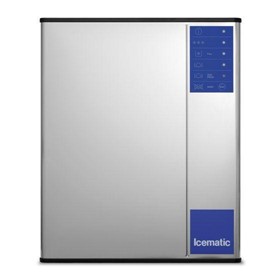
Full Dice Ice Machines | M192
Food Processors
Commercial Freezer
Refrigerated Cabinets | A70BT | 490L
Refrigerated Cabinets | A70TNN | 490L
Refrigerated Cabinets | A140BT | 1085L
Refrigerated Cabinets | A140TNN | 1085L
Refrigerated Cabinets | Upright
Commercial Dishwasher
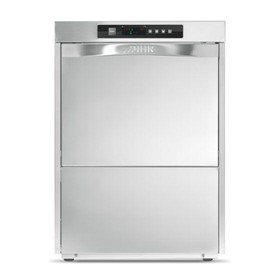
Undercounter Pot Washer | LP1 S4
Hood Type Dishwasher | HT12 OPTIMA HR
Hood Type Pass Through Dishwasher | HT11T
Hood Type Dishwasher | HT-11T ECO
Flake Ice Machines | SFN2200
Full Dice Ice Machines | M302
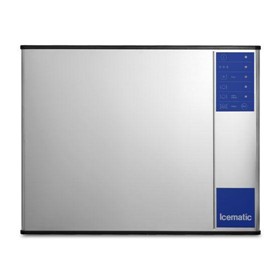
Full Dice Ice Machines | M202
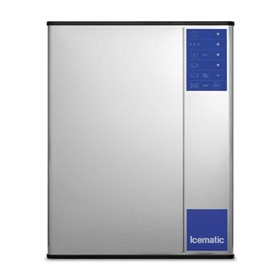
Full Dice Ice Machines | M402
Hood Dishwasher | LP 3 STR Plus
Thanks for your help!
Sorry! Unable to submit your request at this time. Please try again later.
Report this product