
Let us get you 3 quotes
Compare and select the best Bone Densitometer
Compare Quotes

Find the right
Bone Densitometer in Melbourne
Bone Densitometer in Melbourne
Join medical buyers comparing supplier quotes and buying with confidence. Free, quick and easy.

Compare quotes from expert Melbourne Bone Densitometer suppliers like:


How MedicalSearch works
Tell us what you need
Answer a few quick questions about the equipment you're looking for.
Get personalised quotes
Receive tailored quotes from relevant Australian suppliers.
Compare and choose
Compare quotes, ask questions and choose the best option for you.
Looking to buy the best Bone Densitometer for sale in Melbourne? Get Quotes sends your requirements to expert suppliers in Australia so you get personalised quotes to compare Bone Densitometer prices, specifications, features and terms then choose the one that’s right for you. Also compare servicing, consumables and reviews, so you can buy with confidence.
 Save time
 Compare quotes
 Buy with confidence
Save time, compare quotes & buy with confidence
Bone Densitometer Suppliers in Melbourne
Updated Jun 16, 2026
Supplier Location
Brand
Filter by brand:
Filter by location:
InMed Healthcare | Medical & Diagnostic Equipment
InMed Healthcare is an Bone Densitometer supplier to All
InMed Healthcare has over 25 years’ experience in the Medical Imaging and Diagnostic markets and we’re proud of our extensive range of quality products and equipment from our trusted partner brands. With local support in most states we are positioned to support everything we sell with highly trained staff. Our broad portfolio of products encompasses the most respected global ...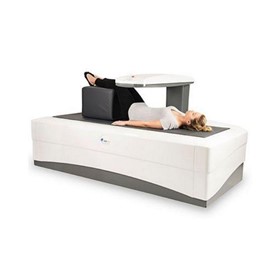
Hologic Australia and New Zealand | Womens Health
Hologic Australia and New Zealand is an Bone Densitometer supplier to All
The Science of Sure reflects who we are as a leading innovator in women’s health, helping healthcare professionals around the world diagnose and treat their patients with precision, certainty and confidence. Our innovations are designed to achieve exceptional clinical results, making it possible to detect, diagnose and treat illnesses and other health conditions earlier and ...
Medic Cloud | X-ray machine install, maintenance and IT support
Medic Cloud is an Bone Densitometer supplier to All
We provide healthcare ICT, diagnostic imaging, and private cloud PACS solutions, supporting medical, radiology, chiropractic, dental, and veterinary practices nationwide. Established in 2012, we specialise in designing, supplying, and supporting clinic-ready imaging systems, medical-grade IT infrastructure, and secure Australian-hosted PACS environments. Speak to us about how we ...
OsteoSys Bone Densitometer | OsteoSys Primus DXA Full Body
Discover the OsteoSys Primus DXA Full Body Bone Densitometer—your ultimate solution for accurate bone health assessments. Enhance patient care ...

OsteoSys Half Body X-Ray Machine | Excellus DXA
OsteoSys Excellus DXA is a half body fan beam Dual X-ray Absorptiometry (DXA) device, which is designed under the new concept of a body ...
ATX Medical | Medical & Imaging Equipment
ATX Medical is an Bone Densitometer supplier to All
ATX Medical Solutions is a specialist supplier of quality market leading radiographic imaging equipment and consumables to the Australian, New Zealand and South East Asian market. The key words in our strategy are, to be a reliable, service-minded and flexible supplier working in close co-operation with our distributors and customers. Initially established in Western Australia ...
OsteoSys DXA Full Body Composition and Bone Density System
An advanced system for detailed bone density and body composition analysis, ideal for precise diagnosis and patient assessment using Dual ...

OsteoSys Half Body DXA Body Composition and Bone Density System
The Half Body DXA Body Composition and Bone Density System provides advanced analysis of bone density and body composition using reliable DXA ...

Bone Densitometer
Bone Densitometer
What is a Bone Densitometer, and how does it work?
A bone densitometer is a medical device used to measure bone density. It works by using X-rays to scan the bones and measure the amount of calcium and other minerals present. The densitometer then compares the results to a database of normal bone density for a person's age and gender to determine if the patient has osteoporosis or is at risk for developing it. The test is non-invasive and painless, and typically takes only a few minutes to complete. Bone densitometry is an important tool for diagnosing and monitoring osteoporosis, a condition that weakens bones and increases the risk of fractures.
What are the different types of Bone Densitometers available in the market?
There are several types of bone densitometers available in the market, including:
- Dual-energy X-ray absorptiometry (DXA): This is the most commonly used bone densitometer that uses low-dose X-rays to measure bone mineral density.
- Quantitative computed tomography (QCT): This type of bone densitometer uses a CT scanner to measure bone density and assess bone strength.
- Peripheral dual-energy X-ray absorptiometry (pDXA): This is a smaller and more portable version of DXA that is used to measure bone density in peripheral bones like the wrist or heel.
- Radiographic absorptiometry (RA): This type of bone densitometer uses standard X-rays to measure bone density.
- Ultrasound bone densitometry: This type of bone densitometer uses sound waves to measure bone density and assess bone strength.
What is the cost of a Bone Densitometer, and what are the factors that affect its price?
A Bone Densitometer can cost anywhere from $35,000 to $150,000 or more, depending on various factors. Some of the factors that affect its price include the type of technology used, the brand and model, the features and capabilities, the size and weight, the warranty and service options, and the location and supplier. Other factors that may affect the cost include the installation and training fees, the maintenance and repair costs, and the software and accessories needed to operate the device. Ultimately, the cost of a Bone Densitometer will depend on the specific needs and budget of the buyer, as well as the market conditions and competition in the industry.
What are the features and specifications that I should look for in a Bone Densitometer?
However, here are the features and specifications that one should look for in a Bone Densitometer:
- Type of technology: There are two types of bone densitometers - DXA and QCT. DXA is the most commonly used technology and is ideal for measuring bone density in the hip and spine. QCT is used for measuring bone density in the wrist and heel.
- Scan time: The scan time should be quick and efficient to minimize patient discomfort and increase throughput.
- Precision and accuracy: The densitometer should be precise and accurate in measuring bone density to ensure reliable results.
- Software and analysis tools: The software should be user-friendly and provide comprehensive analysis tools to aid in diagnosis and treatment planning.
- Patient comfort: The densitometer should be designed to provide maximum patient comfort during the scan.
- Portability: If the densitometer is intended for use in multiple locations, it should be portable and easy to move.
- Cost: The cost of the densitometer should be reasonable and within the budget of the facility.
What is the warranty period offered by the manufacturer, and what is the after-sales service provided?
It is recommended to check the manufacturer's website or contact their customer support for more information.
What are the safety measures that I should take while using a Bone Densitometer?
Follow the manufacturer's instructions carefully and completely.
- Ensure that the patient is positioned correctly and comfortably on the machine.
- Make sure that the patient is not wearing any metal objects or jewelry that could interfere with the machine's readings.
- Check the machine's calibration regularly to ensure accurate readings.
- Use appropriate protective equipment, such as lead aprons, to minimize radiation exposure.
- Keep the machine and its components clean and well-maintained.
- Ensure that the machine is properly grounded and that all electrical connections are secure.
- Only trained and authorized personnel should operate the machine.
- Keep a record of all patient scans and results.
How long does it take to perform a Bone Densitometry test, and what is the accuracy of the results?
A Bone Densitometry test typically takes around 10-30 minutes to perform, depending on the type of test and the equipment used. The accuracy of the results can vary depending on factors such as the quality of the equipment, the skill of the technician performing the test, and the patient's individual characteristics. It is important to discuss the accuracy of the results with a healthcare provider who can interpret the findings and provide guidance on any necessary follow-up care.
What are the training and certification requirements for operating a Bone Densitometer?
The training and certification requirements for operating a Bone Densitometer vary depending on the state and country in which you are working. In general, you will need to have a degree in radiologic technology or a related field, as well as certification from a recognized organization such as the American Registry of Radiologic Technologists (ARRT) or the International Society for Clinical Densitometry (ISCD). You may also need to complete additional training in bone densitometry specifically, either through a formal education program or through on-the-job training. It is important to check with your state or country's regulatory agency to ensure that you meet all necessary requirements for operating a Bone Densitometer.
What are the maintenance and calibration requirements for a Bone Densitometer, and how often should it be serviced?
A Bone Densitometer is a medical device used to measure bone density. It is important to maintain and calibrate the device to ensure accurate results. The maintenance requirements for a Bone Densitometer include cleaning the device regularly, checking for any signs of wear and tear, and replacing any damaged parts. Calibration is also necessary to ensure that the device is measuring accurately. The frequency of maintenance and calibration depends on the manufacturer's recommendations and the frequency of use. Generally, Bone Densitometers should be serviced annually or after a certain number of scans, whichever comes first. It is important to follow the manufacturer's guidelines to ensure the device is functioning properly and providing accurate results.
Are there any regulatory requirements or certifications that a Bone Densitometer should comply with in Australia?
Yes, in Australia, Bone Densitometers must comply with regulatory requirements and certifications set by the Therapeutic Goods Administration (TGA). The TGA regulates medical devices in Australia and requires Bone Densitometers to be registered with the agency before they can be sold or used in the country. Additionally, Bone Densitometers must comply with the Australian Radiation Protection and Nuclear Safety Agency (ARPANSA) requirements for radiation safety. The device must also meet the International Electrotechnical Commission (IEC) standards for medical electrical equipment.
Get 3+ Quotes Now - Compare prices, availability and quality. It’s free, quick and secure.
Back to top
Bone Densitometer Costs and Supplier Insights
The listed price of a Bone Densitometer for sale ranges from $25,000 to $200,000, averaging $112,500.
If you are looking to buy a Bone Densitometer for sale, suppliers on MedicalSearch include InMed Healthcare, Hologic Australia and New Zealand, Medic Cloud, ATX Medical
Use Get Quotes to receive personalised prices and proposals from trusted suppliers with top reviews and excellent service.
Buy a Bone Densitometer Near Me
Save time and delivery costs while getting fast support, by contacting Bone Densitometer suppliers near you.
Back to top
Bone Densitometer Articles & Reviews


Are you a Bone Densitometer supplier?
 Reach valuable medical buyers in minutes
 Promote key products & content
 Drive cost effective & measurable sales
learn more
Reach valuable medical buyers in minutes
Promote key products & content
Drive cost effective & measurable sales