"This site takes away all the problems of securing a good supplier and making a decision…"
Jane Boroky
"Gave me lots of options for companies to supply a new autoclave, and many responded."
Tessa Grimshaw
"Prompt service, wide range of businesses that I wouldn't have found on my own."
How MedicalSearch works
1. Tell us what you need
in a few quick steps
2. Get personalised quotes
from expert suppliers
3. Compare and make the
best choice
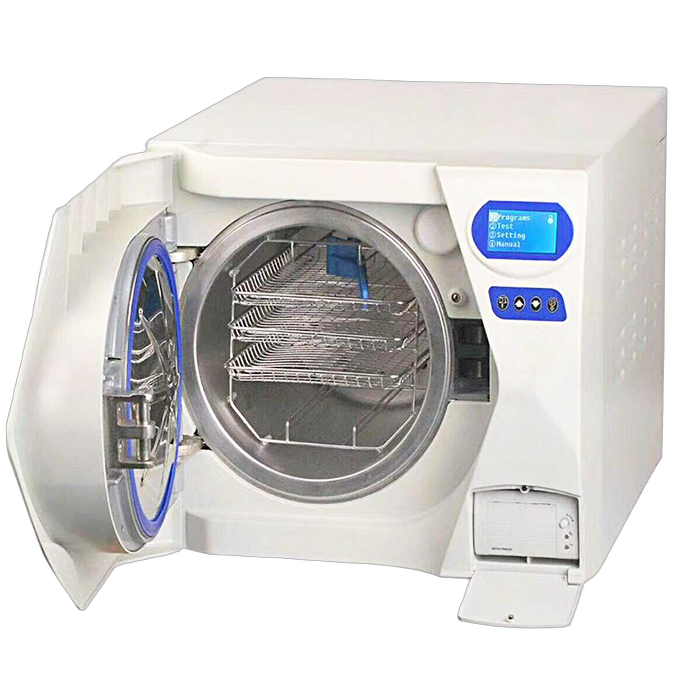
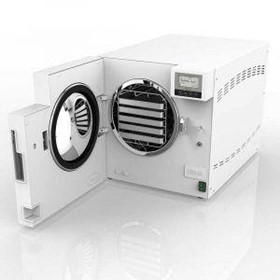
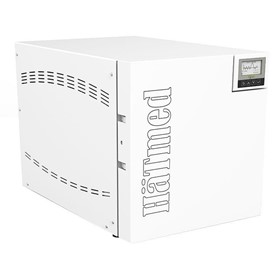
Looking to buy the best Hatmed Autoclave Steriliser for sale? Get Quotes sends your requirements to expert suppliers in Australia so you get personalised quotes to compare Autoclave Steriliser prices, specifications, features and terms then choose the one that’s right for you. Also compare servicing, consumables and reviews, so you can buy with confidence.
Save time
Compare quotes
Buy with confidence
Save time, compare quotes & buy with confidence
Dental & Benchtop Autoclave | Class B, S & N Suppliers
Medical Dental Solutions | Medical, Dental products and supplies Medical Dental Solutions Townsville is a quality assured medical & dental sales, service and repair company who provide quality products and services across a broad customer base with an extensive range of Medical, Dental, Veterinary, Podiatry and Sterilization Equipment. Our head office is based in Townsville, but we also have a separate office in Brisbane and Cairns as well as ...
What is a dental autoclave, and why is it necessary for dental practices?
A dental autoclave is a device that uses high-pressure steam to sterilize dental instruments and equipment. It is necessary for dental practices to have an autoclave to prevent the spread of infectious diseases and ensure the safety of patients. Dental procedures involve the use of sharp instruments that can come into contact with blood and other bodily fluids, making them potential sources of infection. By sterilizing these instruments, an autoclave eliminates any bacteria, viruses, or other pathogens that may be present, reducing the risk of infection and cross-contamination.
What are the different types of dental autoclaves available in the market?
There are several types of dental autoclaves available in the market, including:
Class N autoclaves: These are basic autoclaves that use steam to sterilize instruments and materials. They are suitable for non-packaged instruments and liquids.
Class B autoclaves: These are advanced autoclaves that use vacuum technology to sterilize instruments and materials. They are suitable for packaged and non-packaged instruments, porous materials, and liquids.
Class S autoclaves: These are autoclaves that use a combination of steam and dry heat to sterilize instruments and materials. They are suitable for packaged and non-packaged instruments, porous materials, and liquids.
Portable autoclaves: These are compact autoclaves that are designed for small dental clinics or mobile dental units. They are suitable for sterilizing small instruments and materials.
Benchtop autoclaves: These are larger autoclaves that are designed for larger dental clinics or hospitals. They are suitable for sterilizing a wide range of instruments and materials.
Pre-vacuum autoclaves: These are autoclaves that use a pre-vacuum cycle to remove air from the chamber before sterilization. They are suitable for sterilizing porous materials and wrapped instruments.
Gravity autoclaves: These are autoclaves that use gravity to remove air from the chamber before sterilization. They are suitable for sterilizing non-porous materials and unwrapped instruments.
What are the key factors to consider when buying a dental autoclave?
When buying a dental autoclave, there are several key factors to consider, including the size and capacity of the autoclave, the type of sterilization method used, the speed of the sterilization process, the ease of use and maintenance, the safety features, and the cost. It is also important to consider the specific needs of the dental practice, such as the types of instruments and materials that will be sterilized, and any regulatory requirements that must be met. Additionally, it is important to choose a reputable and reliable manufacturer or supplier, and to ensure that the autoclave meets all relevant industry standards and certifications.
What is the ideal size and capacity of a dental autoclave for my practice?
The ideal size and capacity of a dental autoclave for a practice depends on the number of patients and the frequency of use. A small practice with a low patient volume may require a smaller autoclave with a capacity of 6-8 liters, while a larger practice with a higher patient volume may require a larger autoclave with a capacity of 12-23 liters. It is important to consider the types of instruments and materials that will be sterilized and to choose an autoclave that can accommodate them. Additionally, it is important to choose an autoclave with a fast cycle time and efficient drying capabilities to maximize productivity and minimize downtime.
What are the maintenance requirements for a dental autoclave, and how often should it be serviced?
Dental autoclaves should be serviced and maintained regularly to ensure their proper functioning and safety. The maintenance requirements for a dental autoclave include cleaning and sterilizing the chamber, checking and replacing the gasket, checking and replacing the water level, and checking and replacing the filters. The frequency of servicing depends on the usage of the autoclave, but it is recommended to have it serviced at least once a year by a qualified technician. Additionally, daily maintenance should be performed by the user, such as wiping down the exterior and checking the water level.
What are the safety features of a dental autoclave, and how can I ensure its safe operation?
Dental autoclaves are used to sterilize dental instruments and equipment. They have several safety features to ensure safe operation, including pressure and temperature sensors, safety valves, and automatic shut-off systems. To ensure safe operation, it is important to follow the manufacturer's instructions for use, regularly maintain and service the autoclave, and properly load and unload the instruments and equipment. It is also important to wear appropriate personal protective equipment and to properly dispose of contaminated materials.
What is the cost of a dental autoclave, and how does it vary based on features and specifications?
The cost of a dental autoclave can vary greatly depending on its features and specifications. Basic models can start at around $1,000, while more advanced models with additional features such as digital displays and programmable cycles can cost upwards of $5,000 or more. Other factors that can affect the cost include the size of the autoclave, its capacity, and the materials used in its construction. Additionally, certain brands and models may be more expensive due to their reputation and popularity within the dental industry.
What are the warranty and after-sales support options available for a dental autoclave?
The warranty and after-sales support options for a dental autoclave may vary depending on the manufacturer and model. However, some common options include:
Manufacturer's warranty: Most dental autoclaves come with a manufacturer's warranty that covers defects in materials and workmanship. The length of the warranty may vary from one year to several years.
Extended warranty: Some manufacturers offer extended warranty options that can be purchased for an additional fee. This can provide additional coverage beyond the standard warranty period.
Service contracts: Many manufacturers offer service contracts that provide regular maintenance and repair services for the autoclave. These contracts may include on-site visits, replacement parts, and priority service.
Technical support: Most manufacturers provide technical support for their products, which can include phone and email support, as well as online resources such as user manuals and troubleshooting guides.
Replacement parts: Manufacturers typically offer replacement parts for their autoclaves, which can be purchased directly from the manufacturer or through authorized distributors.
Training and education: Some manufacturers offer training and education programs for dental professionals who use their autoclaves. These programs can help ensure that users are properly trained on the operation and maintenance of the autoclave.
How can I ensure that the dental autoclave meets Australian standards and regulations?
To ensure that a dental autoclave meets Australian standards and regulations, you should:
Purchase an autoclave that is approved by the Therapeutic Goods Administration (TGA) and has a valid Australian Register of Therapeutic Goods (ARTG) number.
Check that the autoclave complies with the Australian/New Zealand Standard AS/NZS 4815:2006, which outlines the requirements for sterilization of reusable medical devices.
Ensure that the autoclave has been installed and maintained by a qualified technician who is familiar with Australian regulations and standards.
Regularly test the autoclave to ensure that it is functioning properly and producing sterilized instruments that meet Australian standards.
Keep detailed records of all sterilization cycles, including the date, time, temperature, pressure, and duration of each cycle.
Train all staff members who use the autoclave on proper sterilization procedures and ensure that they follow these procedures consistently.
By following these steps, you can ensure that your dental autoclave meets Australian standards and regulations and that your patients are receiving safe and effective dental care.
What are the best brands and models of dental autoclaves recommended by dental professionals in Australia?
However, according to dental professionals in Australia, some of the best brands and models of dental autoclaves are:
Melag Autoclaves: Melag is a German brand that produces high-quality dental autoclaves. Their models include the Melag Vacuklav 31B+, Melag Vacuklav 40B+, and Melag Vacuklav 43B+.
Tuttnauer Autoclaves: Tuttnauer is an Israeli brand that produces a range of dental autoclaves. Their models include the Tuttnauer 2540M, Tuttnauer 3870M, and Tuttnauer 559
Midmark Autoclaves: Midmark is an American brand that produces a range of dental autoclaves. Their models include the Midmark M11, Midmark M9, and Midmark M
W&H Lisa Autoclaves: W&H is an Austrian brand that produces high-quality dental autoclaves. Their models include the Lisa 500 and Lisa 300.
Sirona Autoclaves: Sirona is a German brand that produces a range of dental equipment, including autoclaves. Their models include the Sirona DAC Universal and Sirona DAC Premium.
It's important to note that the best brand and model of dental autoclave will depend on the specific needs and preferences of each dental practice. It's recommended to consult with a dental equipment supplier or manufacturer to determine the best option for your practice.
Get 3+ Quotes Now - Compare prices, availability and quality. It’s free, quick and secure.
Back to top
Autoclave Steriliser Costs and Supplier Insights
The listed price of an Autoclave Steriliser for sale ranges from $3,000 to $15,000, averaging $9,000.
Use Get Quotes to receive personalised prices and proposals from trusted suppliers with top reviews and excellent service.
Buy a Autoclave Steriliser Near Me
Save time and delivery costs while getting fast support, by contacting Autoclave Steriliser suppliers near you.