
Medical Diagnostic Station in Hobart

Join medical buyers comparing supplier quotes and buying with confidence. Free, quick and easy.



How MedicalSearch works
Tell us what you need
Answer a few quick questions about the equipment you're looking for.
Get personalised quotes
Receive tailored quotes from relevant Australian suppliers.
Compare and choose
Compare quotes, ask questions and choose the best option for you.
 Save time
 Compare quotes
 Buy with confidence
Save time, compare quotes & buy with confidence
Medical Diagnostic Station Suppliers in Hobart
Yes Medical is an Medical Diagnostic Station supplier to All
Yes Medical is an Australian-owned and operated company with over 30 years of experience supplying General and Specialist Medical Practices, Day Surgeries and Clinics, and Aged Care Facilities in Australia Wide. A number of our staff are qualified medical and paramedical staff who have spent many years working in public and private medical facilities. With over 180 years of ...
Medical Diagnostic Station Buying Guide
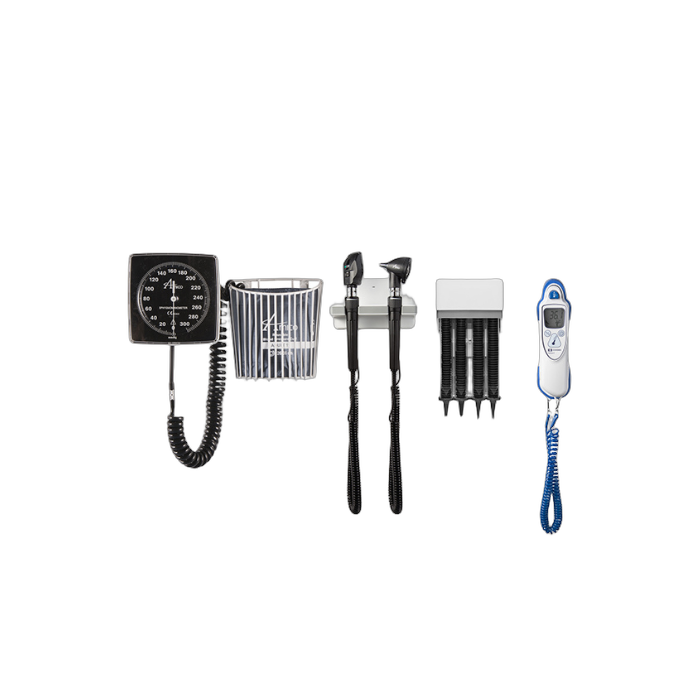
Find and buy Diagnostic Sets & Stations from verified suppliers on MedicalSearch. Diagnostic Sets & Stations are convenient packages that contain a vast range of medical devices for diagnosing various medical conditions.
Things to consider when buying a Diagnostic Set & Station:
- Diagnostic equipment included - Diagnostic sets come with a wide array of medical devices. Depending on the type of patient and condition to be monitored, some of the most common medical tools a set can have include: stethoscopes, otoscopes, ophthalmoscopes, and body fat calculators.
- Carrying Case - Consider choosing a soft case if you want something that looks sleek and professional. It’s also more portable and ideal for use on the go. On the other hand, a hard case offers better protection of your medical tools due to its strong construction.
- Handles and power sources - The handles of diagnostic sets come integrated with power systems, so you can easily power your medical devices. Some of the common ones include lithium-ion handles, which are more portable, lightweight, and better performing than NiCad handles. If you’ll be using the set in an off-the-grid area, you can choose one with convertible handles as they can use alkaline C-cell or rechargeable batteries.
Contact our vendors for a free quote or expert advice on Diagnostic Sets & Stations Delivery available Australia wide.

- OBD-II Scanners: These scanners are used to diagnose problems in vehicles that have an OBD-II port. They can read and clear diagnostic trouble codes (DTCs) and provide live data from the vehicle's sensors.
- Multimeters: These devices are used to measure electrical current, voltage, and resistance in a vehicle's electrical system. They can help diagnose problems with the battery, alternator, and other electrical components.
- Fuel System Testers: These testers are used to diagnose problems with the fuel system, including fuel pressure, fuel flow, and injector performance.
- Compression Testers: These testers are used to measure the compression in each cylinder of an engine. Low compression can indicate problems with the engine's valves, pistons, or rings.
- Smoke Machines: These machines are used to test for leaks in a vehicle's vacuum, exhaust, and intake systems. They work by introducing smoke into the system and looking for where it escapes.
- Brake Testers: These testers are used to diagnose problems with a vehicle's braking system. They can measure brake force, brake balance, and brake performance.
- Accurate measurement: The diagnostic station should provide accurate measurements of vital signs such as blood pressure, temperature, and pulse oximetry.
- User-friendly interface: The interface should be easy to use and navigate, with clear instructions and displays.
- Compatibility: The diagnostic station should be compatible with a range of devices and accessories, such as cuffs and probes.
- Data storage and retrieval: The station should be able to store and retrieve patient data, allowing for easy tracking and analysis of vital signs over time.
- Connectivity: The station should be able to connect to other devices and systems, such as electronic health records and telemedicine platforms.
- Durability: The station should be built to withstand frequent use and potential wear and tear.
- Manufacturer's warranty: Most diagnostic stations come with a manufacturer's warranty that covers defects in materials and workmanship. The length and terms of the warranty may vary, so it's important to check the details before purchasing.
- Extended warranty: Some manufacturers may offer extended warranty options that provide additional coverage beyond the standard warranty period. These may come at an additional cost.
- Technical support: Many manufacturers provide technical support to help users troubleshoot any issues they may encounter with their diagnostic station. This may include phone or email support, as well as online resources such as user manuals and FAQs.
- Repair and maintenance services: Some manufacturers may offer repair and maintenance services for their diagnostic stations. This may include both in-warranty and out-of-warranty repairs, as well as preventative maintenance services to keep the equipment in good working condition.
- Replacement parts: If any parts of the diagnostic station need to be replaced, manufacturers may offer replacement parts for purchase. It's important to ensure that any replacement parts are compatible with the specific model of diagnostic station.
- Certification: The diagnostic station must be certified by the relevant regulatory body, such as the Department of Motor Vehicles (DMV) or Environmental Protection Agency (EPA).
- Safety equipment: The station must have the necessary safety equipment, such as fire extinguishers, first aid kits, and eye wash stations.
- Inspection equipment: The station must have the necessary inspection equipment, such as brake testers, emission analyzers, and headlight testers.
- Training: The station's employees must be trained and certified to perform inspections and tests.
- Record keeping: The station must maintain accurate records of inspections and tests performed, as well as any repairs or adjustments made to vehicles.
- Insurance: The station must have liability insurance to protect against any accidents or damages that may occur during inspections or tests.
- Compliance with regulations: The station must comply with all relevant safety and environmental regulations, such as those related to hazardous waste disposal and air quality.
- Cash payment: This is the most straightforward option where the buyer pays the full amount upfront.
- Lease financing: This option allows the buyer to use the diagnostic station for a fixed period of time by paying monthly installments. At the end of the lease term, the buyer can choose to return the equipment, renew the lease or purchase the equipment.
- Equipment financing: This option allows the buyer to purchase the equipment with a loan and pay it off in installments over a fixed period of time.
- Credit card payment: Some vendors may accept credit card payments for the purchase of a diagnostic station.
- Manufacturer financing: Some manufacturers offer financing options to their customers, which may include low-interest rates or deferred payments.
- Government grants: In some cases, government grants may be available to help cover the cost of purchasing a diagnostic station.
Medical Diagnostic Station Costs and Supplier Insights
If you are looking to buy a Medical Diagnostic Station for sale, suppliers on MedicalSearch include Yes Medical
Buy a Medical Diagnostic Station Near Me
Medical Diagnostic Station for sale in Melbourne
Medical Diagnostic Station for sale in Perth
Medical Diagnostic Station for sale in Hobart
Medical Diagnostic Station for sale in Brisbane
Medical Diagnostic Station for sale in Adelaide
Medical Diagnostic Station for sale in Darwin
Medical Diagnostic Station Articles & Reviews



 Reach valuable medical buyers in minutes
 Promote key products & content
 Drive cost effective & measurable sales