
Retinal Camera in Adelaide

Join medical buyers comparing supplier quotes and buying with confidence. Free, quick and easy.
How MedicalSearch works
Tell us what you need
Answer a few quick questions about the equipment you're looking for.
Get personalised quotes
Receive tailored quotes from relevant Australian suppliers.
Compare and choose
Compare quotes, ask questions and choose the best option for you.
 Save time
 Compare quotes
 Buy with confidence
Save time, compare quotes & buy with confidence
Retinal Camera Suppliers in Adelaide

Optos is an Retinal Camera supplier to Adelaide
When a five-year-old boy was blinded after a regular eye exam failed to spot a retinal detachment, his father made it his life’s work to help eye care professionals by revolutionising retinal imaging. Optos was founded by Douglas Anderson with the goal to make a patient-friendly device to capture a digital ultra-widefield image of the retina. Today, millions of patients around ...

- Non-mydriatic Retinal Cameras: These cameras do not require the use of dilating eye drops and are less invasive than other types of cameras.
- Mydriatic Retinal Cameras: These cameras require the use of dilating eye drops to get a better view of the retina.
- Handheld Retinal Cameras: These cameras are portable and can be used in remote locations or in emergency situations.
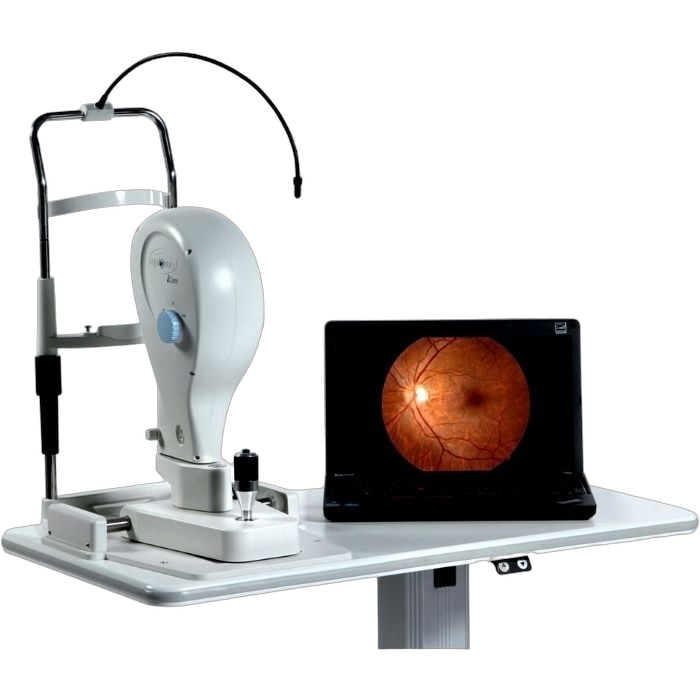
- Tabletop Retinal Cameras: These cameras are larger and more powerful than handheld cameras and are used in clinical settings.
- Scanning Laser Ophthalmoscopes (SLO): These cameras use a laser to scan the retina and create a detailed image.
- Optical Coherence Tomography (OCT) Retinal Cameras: These cameras use light waves to create a 3D image of the retina and are used to diagnose and monitor eye diseases.
- Field of View: The camera should have a wide field of view to capture a larger area of the retina.
- Autofocus: The camera should have an autofocus feature to ensure that the images are in focus.
- Pupil Size: The camera should be able to adjust to different pupil sizes to capture clear images.
- Image Storage: The camera should have a large storage capacity to store multiple images.
- Connectivity: The camera should have the ability to connect to a computer or other devices for easy transfer of images.
- Ergonomics: The camera should be comfortable to hold and use for extended periods of time.
- Software: The camera should come with software that allows for easy image analysis and manipulation.
- Light Source: The camera should have a bright and adjustable light source to illuminate the retina.
- Regular cleaning of the lens and other parts of the camera to prevent dust and debris from affecting image quality.
- Calibration of the camera to ensure accurate and consistent results.
- Regular inspection of the camera's components to identify any signs of wear or damage.
- Replacement of any damaged or worn parts to prevent further damage to the camera or inaccurate results.
- Regular software updates to ensure the camera is functioning at its best and to address any known issues or bugs.
- Proper storage and transportation of the camera to prevent damage during use or while in storage.
- Early detection of eye diseases: The high-resolution images captured by a retinal camera can help detect eye diseases such as glaucoma, macular degeneration, and diabetic retinopathy at an early stage.
- Accurate diagnosis: The images captured by a retinal camera provide a detailed view of the retina, allowing for a more accurate diagnosis of eye conditions.
- Better patient education: The images captured by a retinal camera can be used to educate patients about their eye health and the importance of regular eye exams.
- Improved communication with other healthcare providers: The images captured by a retinal camera can be shared with other healthcare providers, such as ophthalmologists and optometrists, to facilitate better communication and coordination of care.
- Purpose: Determine the primary purpose of the camera. Is it for routine eye exams or for diagnosing and monitoring eye diseases?
- Image quality: Look for a camera with high resolution and clarity to ensure accurate diagnosis and treatment.
- Ease of use: Choose a camera that is easy to operate and has a user-friendly interface.
- Portability: Consider the size and weight of the camera, especially if you plan to use it in multiple locations.
- Connectivity: Look for a camera that can easily connect to your practice's electronic health record system.
- Cost: Determine your budget and look for a camera that fits within it, while still meeting your needs.
- Brand reputation: Research the reputation of the brand and read reviews from other users to ensure reliability and customer support.
Retinal Camera Costs and Supplier Insights
Why choose a supplier in Adelaide for Retinal Camera Quotes?
If you are in Adelaide and considering purchasing a Retinal Camera, it's worth considering Adelaide-based suppliers. Doing so offers several benefits that are particularly relevant to businesses in the area. Here are the top reasons why opting for a local Adelaide supplier can be the best decision for your Retinal Camera buying needs.
Investing in Adelaide with Every Retinal Camera PurchaseEach purchase of a Retinal Camera from a supplier in Adelaide is an investment in its future. Help cultivate a thriving local business landscape.
Reliable Retinal Camera Supply from AdelaideEnsure a reliable Retinal Camera supply from Adelaide. Local suppliers provide consistent, dependable delivery schedules.
Local Expertise for Retinal Camera RepairsUtilise local expertise for Retinal Camera repairs in Adelaide. Expert technicians nearby mean less downtime and better maintenance.
Advance Your Sustainability GoalsAdvance your sustainability goals by partnering with Retinal Camera suppliers. Local production lessens environmental impact and promotes greener operations.
Budget with Local Retinal Camera SuppliersStreamline your budget by choosing local Retinal Camera suppliers. Efficient logistics and reduced overheads lead to cost-effective purchasing.
Compliance with Regulations by Buying LocallyEnsure full compliance with Adelaide regulations when you buy a Retinal Camera locally. Local suppliers are familiar with local standards, helping you avoid costly issues.
Buy a Retinal Camera Near Me
Retinal Camera Articles & Reviews


 Reach valuable medical buyers in minutes
 Promote key products & content
 Drive cost effective & measurable sales