
Examination Table

Join medical buyers comparing supplier quotes and buying with confidence. Free, quick and easy.



How MedicalSearch works
Tell us what you need
Answer a few quick questions about the equipment you're looking for.
Get personalised quotes
Receive tailored quotes from relevant Australian suppliers.
Compare and choose
Compare quotes, ask questions and choose the best option for you.
 Save time
 Compare quotes
 Buy with confidence
Save time, compare quotes & buy with confidence
Examination Table & Examination Couch Suppliers
Used by GPs in private practice, therapists in health clinics and large teams of doctors, nurses and specialists in major hospitals, examination tables are the foundation of the health care industry.
Examination tables range from the most low-tech, manually operated benches to highly sophisticated, automated machines with all manner of adjustments for maximum support and comfort.
There are tables designed specifically for massage therapy; static and mobile tables for operations; tables solely for the specialised needs of radiologists; there are even bariatric examination tables designed for the express purpose of treating morbidly obese patients in a dignified way.

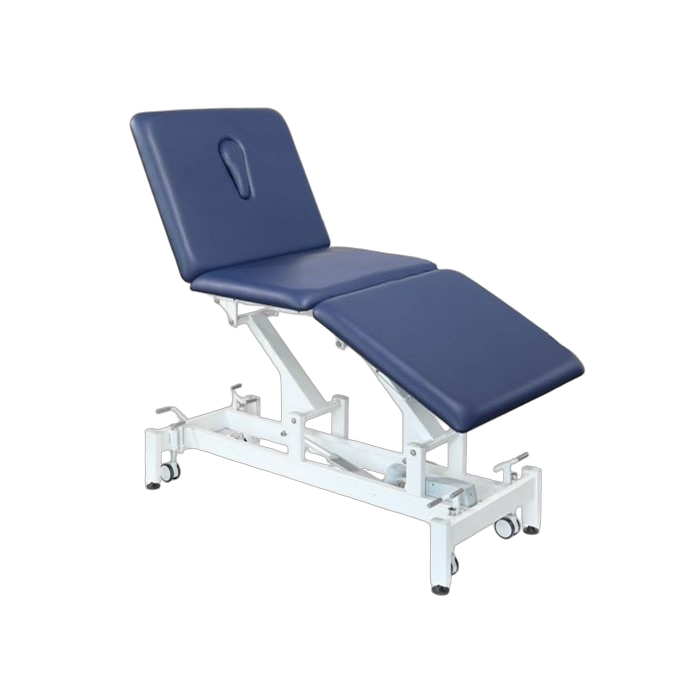
CORE Clinical supplies clinical-grade treatment tables, examination couches and rehabilitation equipment to physiotherapists, GP practices, specialist clinics, hospitals, aged care providers and NDIS-funded buyers across Australia. We are a small Australian business. You deal with someone who knows the equipment. Treatment, massage and examination tables and couches, Bobath ...

Examination Table Buying Guide
Find and buy examination tables from verified suppliers on MedicalSearch. Examination tables are used to support patients during medical examinations.
Factors to consider when buying an examination table:
- Types – Choose the one best suited for the intended use
- Treatment table – The simplest type commonly used in physical therapy clinics.
- Box Tables – The most common type that features padded seats, adjustable backrest and built-in storage.
- ADA exam tables – Specifically designed for the examination of older people and people with disabilities. Features electronic lift for convenience in getting the patient onto the table.
- Procedure tables – Used in performing minor medical procedures.
- Specialty Exam Tables – Designed for specific examination areas such as imaging or radiology rooms. With special features and accessories such as drop windows and stirrups.
- Pediatric exam tables – Designed for the examination and treatment of pediatric patients. Often has bright colours and fun art to make children feel at ease when going to a doctor .
- Padding – Ensures patient comfort and prevents neck sprains and back pains.
- Upholstery – Usually vinyl with spill-proof surface and antimicrobial coating.
- Adjustability – Allows doctors to maintain their patients in a certain elevation or position.
- Weight capacity – Regular table can support up to 450 lbs.
- Storage – Built-in compartments for medical supplies can save time during the examination and medical procedures.
Contact our vendors for a free quote or expert advice on examination tables. Delivery available Australia wide.

- Standard examination tables: These are the most common type of examination tables that are used by doctors and medical professionals. They are usually made of metal or wood and have a padded surface for the patient to lie on.
- Adjustable examination tables: These tables are designed to be adjustable, allowing doctors to change the height, angle, and position of the table to suit the needs of the patient.
- Electric examination tables: These tables are similar to adjustable tables, but they are powered by electricity. They are often used in hospitals and medical clinics where patients require more complex examinations or procedures.
- Gynecological examination tables: These tables are designed specifically for gynecological exams and procedures. They have adjustable stirrups for the patient's legs and may also have specialized features like built-in lights or medical equipment holders.
- Pediatric examination tables: These tables are designed for use with children and infants. They are smaller and often have colorful designs or decorations to make the experience less intimidating for young patients.
- Bariatric examination tables: These tables are designed to support the weight of larger patients. They may have wider surfaces and reinforced frames to accommodate heavier patients.
- Some of the key safety features required for examination tables include:
- - Stability: Tables must be stable and not tip over during use.
- - Strength: Tables must be able to support the weight of patients without collapsing or breaking.
- - Durability: Tables must be able to withstand repeated use and exposure to cleaning agents and disinfectants.
- - Hygiene: Tables must be easy to clean and disinfect to prevent the spread of infections.
- - Accessibility: Tables must be accessible to patients with disabilities or mobility issues.
Examination Table Costs and Supplier Insights
If you are looking to buy an Examination Table for sale, suppliers on MedicalSearch include Core Clinical
Buy a Examination Table Near Me
Examination Table Articles & Reviews
-
![]() Buying guide
Procedure Chair Prices and Buying Guide: A Complete Resource for Australian Buyers in Examination-table
Read guide
-
![]() Buying guide
Fast-Track Your Medical Fitout: How to Open Your Clinic on Time & Within Budget in Examination-table
Read guide
-
![]() Buying guide
7 Top Features to Look for in a Hospital Bed in Examination-table
Read guide
-
![]() Buying guide
Tips for Selecting Examination Bed for Specialised Practices in Examination-table
Read guide
-
![]() Buying guide
Safety Considerations When Using Electric Treatment Tables in Examination-table
Read guide
-
![]() Buying guide
Sustainable and Eco-Friendly Designs in Examination Tables in Examination-table
Read guide



 Reach valuable medical buyers in minutes
 Promote key products & content
 Drive cost effective & measurable sales