
Ultrasonic Cleaner

Join medical buyers comparing supplier quotes and buying with confidence. Free, quick and easy.


How MedicalSearch works
Tell us what you need
Answer a few quick questions about the equipment you're looking for.
Get personalised quotes
Receive tailored quotes from relevant Australian suppliers.
Compare and choose
Compare quotes, ask questions and choose the best option for you.
 Save time
 Compare quotes
 Buy with confidence
Save time, compare quotes & buy with confidence
Medical & Dental Ultrasonic Cleaner Suppliers
The dental profession is synonymous with cleanliness and hygiene. So it’s no surprise to find ultrasonic cleaners high on every dentist’s shopping list.
Dental ultrasonic cleaners allow dental practices to remove a wide range of debris and contaminants from instruments, moulds and implants. They’re also effective in removing even the finest specs of plaster and cement from bridgework.
Ultrasonic cleaning is fast, effective and safe. In fact, it provides far superior cleaning than mechanical washers in much less time. And it certainly beats laboriously cleaning every item manually, a hugely time-consuming and far from foolproof process.
Ultrasonic cleaners work using ultrasonic frequencies that produce billions of bubbles that explode when they touch anything in the cleaner basket.
Cleaning times for dental instruments in an ultrasonic cleaner are usually less than 10 minutes. That means no costly waits for important instruments and a more productive, efficient practice overall.
Dental ultrasonic cleaners are considered ‘best practice’ for contaminant removal by most health watchdogs.
In Vitro Technologies is a Scientific and Medical distribution company specialising in the sale and support of scientific, clinical diagnostic, medical and related products. The company was established in 2002 and is 100% owned by JJ Richards & Sons Pty Ltd. JJ Richards & Sons Pty Ltd was established in 1932 and is the largest privately owned waste and environmental management ...


Dental Brands Australia (DBA) offers the best in range and expert service to Australian Dentists. Our mission is to be an extension of your business and offer solutions for all your Dental Supply needs. DBA proudly services Laboratories, Surgeries & Students. Our heritage can be traced back through the consolidation of small businesses, namely Dental Burs Australia over the ...

Ultrasonic Cleaner Buying Guide
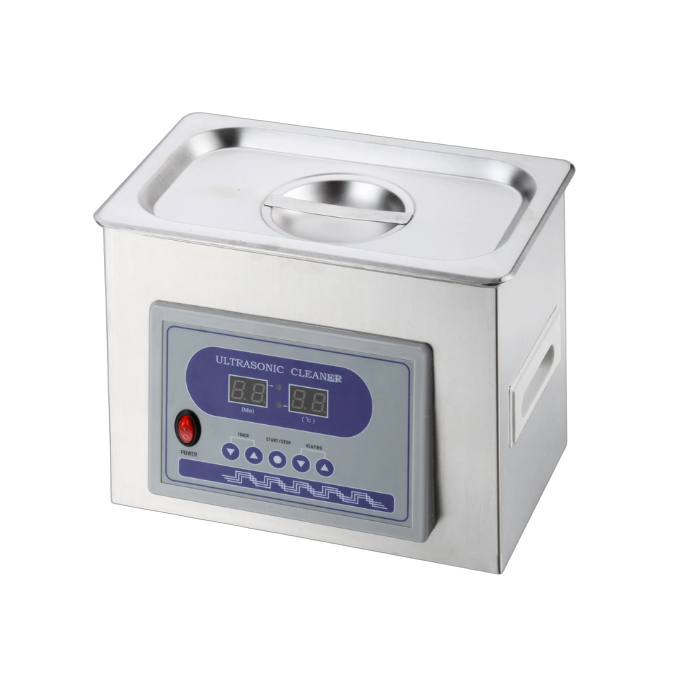
Find and buy ultrasonic cleaners from verified suppliers on MedicalSearch. An ultrasonic cleaner is used to clean laboratory and medical equipment with ultrasound frequencies and cleaning solvents.
Factors to consider when buying an ultrasonic cleaner:
- Type:
- Industrial heavy duty – Features heavier compound transducers and generators and welded stainless steel tanks.
- Lab-size or tabletop – Features heavy transducers but the generators are located in the same case as the tank.
- Small toy-like systems – Portable machines suitable for light cleaning.
- Tank size – Determine the size and number of the items that need to be cleaned.
- Ultrasonic cleaner frequency – Refers to the energy level of cavitation bubbles during cleaning. This is influenced by the material and surface dimensions of the object to be cleaned and the type of contamination to be removed. The ideal range is between 25 kHz and 40 kHz.
- Power – Refers to the number of ultrasonic cleaning emitters that are used during cleaning. The ideal range is 10-20 W/L for small tanks and 5-20 W/L for larger ones.
- Operating modes – Consider models with a sweep mode operation. It prevents dead zones and useful for uniform cleaning.
- Baskets and racks – Choose the appropriate size of the parts baskets to ensure they do not touch the ultrasonic transducers.
- Heater – Heat improves cleaning performance. Ideal water temperature is between 60 and 76 degrees celsius.
Contact our vendors for a free quote or expert advice on ultrasonic cleaners. Delivery available Australia wide.

It is recommended to drain and replace the water in the ultrasonic cleaner's tank daily, especially in dental settings where cleanliness and hygiene are paramount.
- Hygiene Maintenance: Daily drainage helps prevent the buildup of contaminants, debris, and potential microbial growth within the water, ensuring optimal cleaning efficacy and hygiene standards.
- Best Practices: Some dental professionals may opt to drain the water more frequently, especially if the cleaner is used extensively throughout the day or for particularly sensitive procedures.
- Manufacturer Guidelines: Always refer to the specific instructions provided by the ultrasonic cleaner's manufacturer for guidance on water drainage frequency and maintenance protocols tailored to your equipment.
Regular maintenance and adherence to recommended protocols not only ensure the effectiveness of the ultrasonic cleaner but also contribute to maintaining a clean and safe dental environment for patients and staff alike.
Please note that precise maintenance requirements may vary depending on the model and manufacturer of the ultrasonic cleaner, so consulting the equipment manual is always advisable.
Optimal Duration: The recommended duration for running an ultrasonic cleaner typically ranges from 5 to 10 minutes per cycle.
Consideration of Factors: The specific duration may vary based on factors such as the type of dental instruments being cleaned, the level of contamination, and the manufacturer's guidelines for the ultrasonic cleaner.
Efficiency vs. Safety: While longer cleaning cycles may yield more thorough results, it's essential to balance efficiency with safety. Extended exposure to ultrasonic vibrations may potentially damage delicate instruments, so it's advisable to adhere to the recommended duration.
Routine Monitoring: Dental professionals should routinely inspect instruments during and after the cleaning cycle to ensure cleanliness and integrity. If additional cleaning is necessary, repeating the cycle or employing manual cleaning methods may be warranted.
Manufacturer Recommendations: Always consult the user manual or guidelines provided by the ultrasonic cleaner's manufacturer for specific instructions on optimal cleaning duration and settings tailored to your equipment.
By following recommended guidelines and adjusting cleaning parameters as needed based on instrument type and contamination level, dental professionals can effectively utilize ultrasonic cleaners to maintain hygiene standards and prolong the lifespan of their instruments.
Yes, rinsing is recommended: After the ultrasonic cleaning cycle, it's advisable to rinse instruments thoroughly with clean water to remove any residual cleaning solution or debris.
Removal of Residues: Rinsing helps eliminate traces of cleaning agents used in the ultrasonic cleaner, ensuring that no potentially harmful residues remain on the instruments.
Prevention of Contamination: Rinsing also helps prevent cross-contamination between patients by removing any remaining debris or contaminants that may have been loosened during the cleaning process.
Drying Step: Following rinsing, instruments should be properly dried using methods such as air drying or sterile cloth to prevent water spots or microbial growth.
Routine Inspection: Before sterilization and subsequent use, it's essential to visually inspect instruments to ensure they are clean, dry, and free from any visible residues or contaminants.
Manufacturer Guidelines: Always refer to the specific recommendations provided by the manufacturer of the ultrasonic cleaner and the dental instruments for detailed instructions on post-cleaning procedures.
By incorporating thorough rinsing into the cleaning process, dental professionals can help maintain hygiene standards, prolong the lifespan of instruments, and ensure the safety of patients and staff.
- Efficient cleaning: Ultrasonic cleaners can clean dental instruments thoroughly and quickly, removing even the most stubborn debris and bacteria.
- Improved infection control: By removing bacteria and other pathogens from dental instruments, ultrasonic cleaners help prevent the spread of infection.
- Longer instrument lifespan: Ultrasonic cleaning is gentle on dental instruments, helping to extend their lifespan and reduce the need for replacements.
- Time-saving: Ultrasonic cleaning is faster than manual cleaning, allowing dental professionals to focus on other tasks.
- Environmentally friendly: Ultrasonic cleaning uses less water and cleaning solution than traditional cleaning methods, making it more environmentally friendly.
- Improved safety: Ultrasonic cleaning reduces the risk of injury from sharp instruments, as it eliminates the need for manual scrubbing.
Ultrasonic Cleaner Costs and Supplier Insights
If you are looking to buy an Ultrasonic Cleaner for sale, suppliers on MedicalSearch include In Vitro Technologies
Buy a Ultrasonic Cleaner Near Me
Ultrasonic Cleaner Articles & Reviews
-
![]() Buying guide
Dental Fitout Guide: Costs, Equipment & Buying Tips in Ultrasonic-cleaner
Read guide
-
![]() Buying guide
Proper Maintenance and Care Tips for Dental Ultrasonic Cleaners in Ultrasonic-cleaner
Read guide
-
![]() Buying guide
The Benefits of Dental Ultrasonic Cleaners: A Comprehensive Buying Guide in Ultrasonic-cleaner
Read guide
-
![]() Buying guide
Efficiency and Time Savings: Streamlining Dental Instrument Cleaning with Ultrasonic Cleaners in Ultrasonic-cleaner
Read guide
-
![]() Buying guide
Enhancing Dental Infection Control with Ultrasonic Cleaning in Ultrasonic-cleaner
Read guide



 Reach valuable medical buyers in minutes
 Promote key products & content
 Drive cost effective & measurable sales